Essential Campground Store Items to Boost Sales and Guests’ Experience

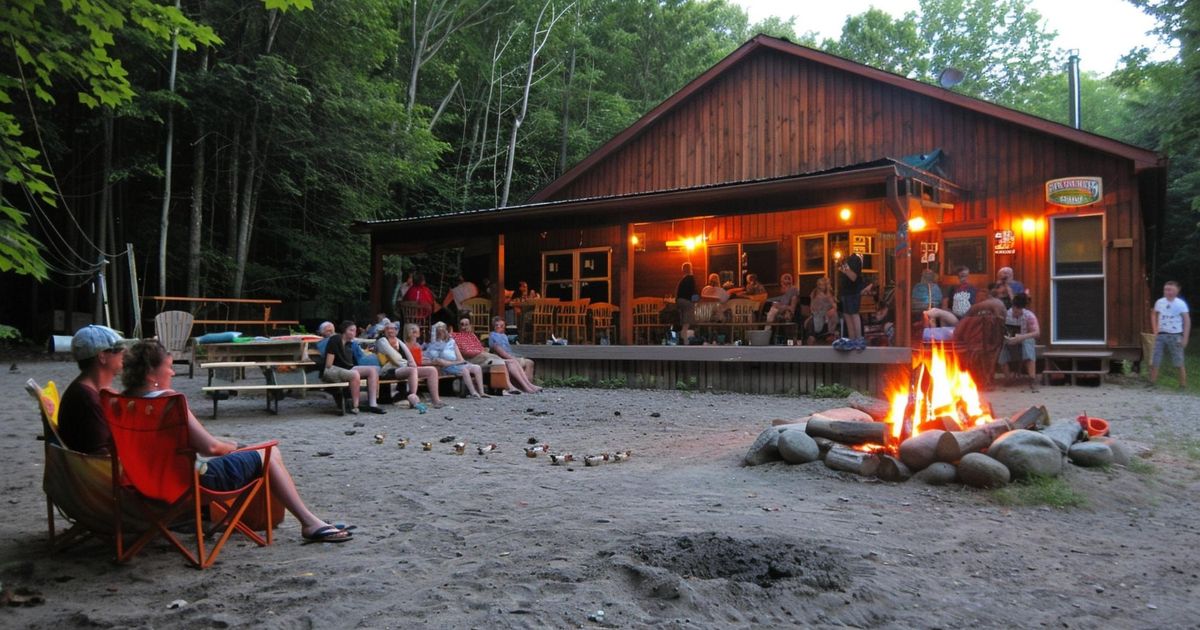
A campground store can make or break a RV camper’s experience. Whether a guest forgot something important, needs a last-minute item, or simply wants to browse, your store is their first stop. It’s also a dependable source of revenue—one that can grow significantly with the right strategy. Stocking essential campground store items isn’t just about convenience; it’s about enhancing guest satisfaction, boosting sales, and reinforcing your campground’s brand. This guide outlines every camping must haves you need to know to transform your store into a profit-driving centerpiece of your RV park.
Key Categories of Items to Stock in Your Campground Store
To build a strong foundation, start with the basics. These items cover daily guest needs and emergencies, driving frequent traffic to your store. Stocking the right essentials keeps campers comfortable, prepared, and likely to return.
Camping Gear and Equipment
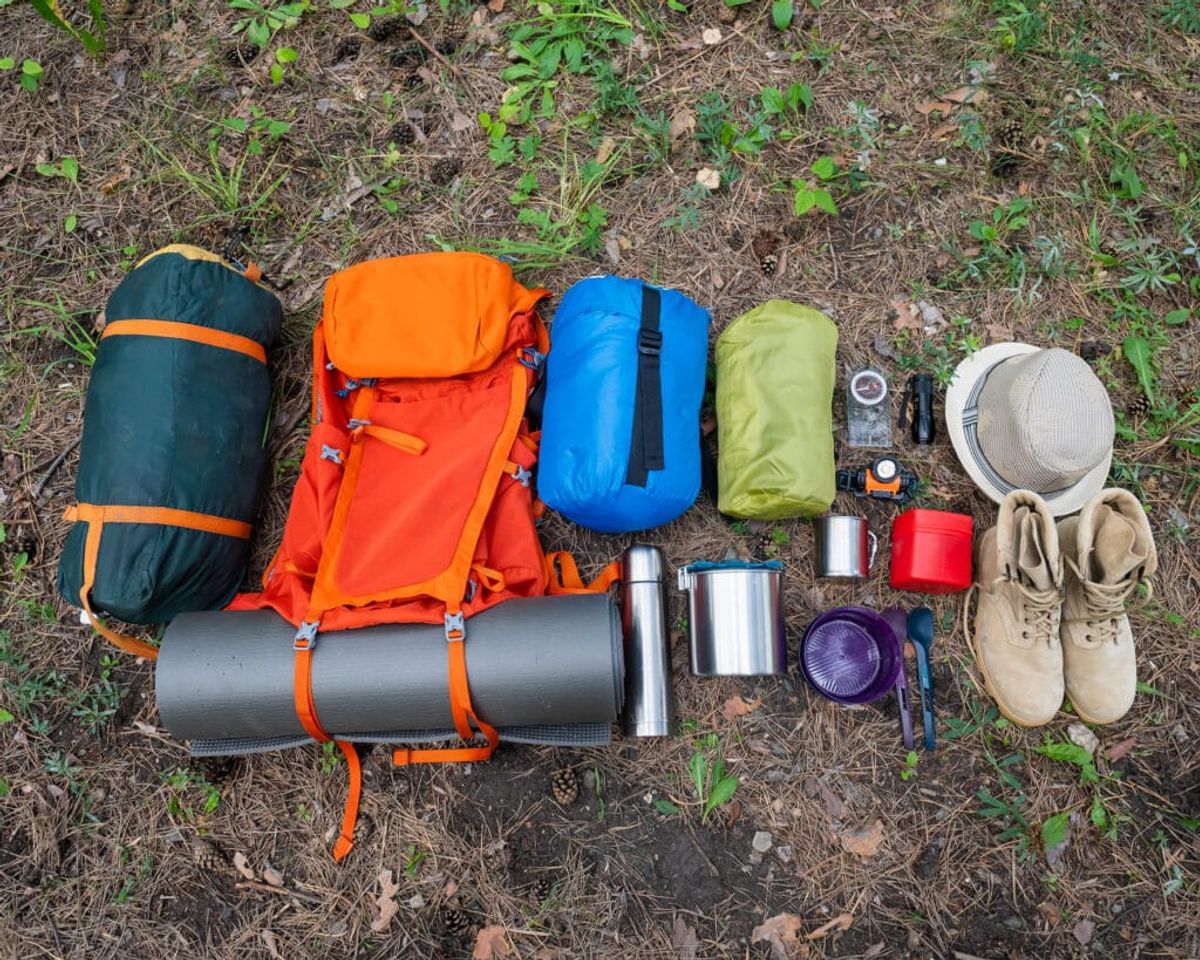
No matter how experienced a camper is, it’s easy to forget something like their sleeping bag at home. That’s why every campground store should offer core gear like flashlights, matches, lighters, batteries, and cooking tools such as skewers, roasting sticks, paper towels, and grill brushes.
It’s also smart to include emergency items. Stock duct tape, tent repair kits, multi-tools, first aid kits, and rope or bungee cords. These come in handy for unexpected gear failures.
Consider selling or renting weather-specific gear like rain tarps, extra sleeping bags, and space heaters for cooler climates. This shows you’re prepared to meet guests’ needs in any condition.
Outdoor Apparel
Apparel is one of the most overlooked but impactful product categories. When the weather shifts suddenly, guests will look to your store for solutions.
Offer affordable ponchos, lightweight rain jackets, and sun hats. Sunglasses, moisture-wicking shirts, and breathable socks also do well in hot weather. In colder seasons, stock fleece-lined items, gloves, beanies, and hand warmers.
Branded apparel, like T-shirts and hoodies with your campground name, gives campers something to wear during and after their trip. It’s an easy way to generate extra revenue and market your brand off-site.
Convenience Items
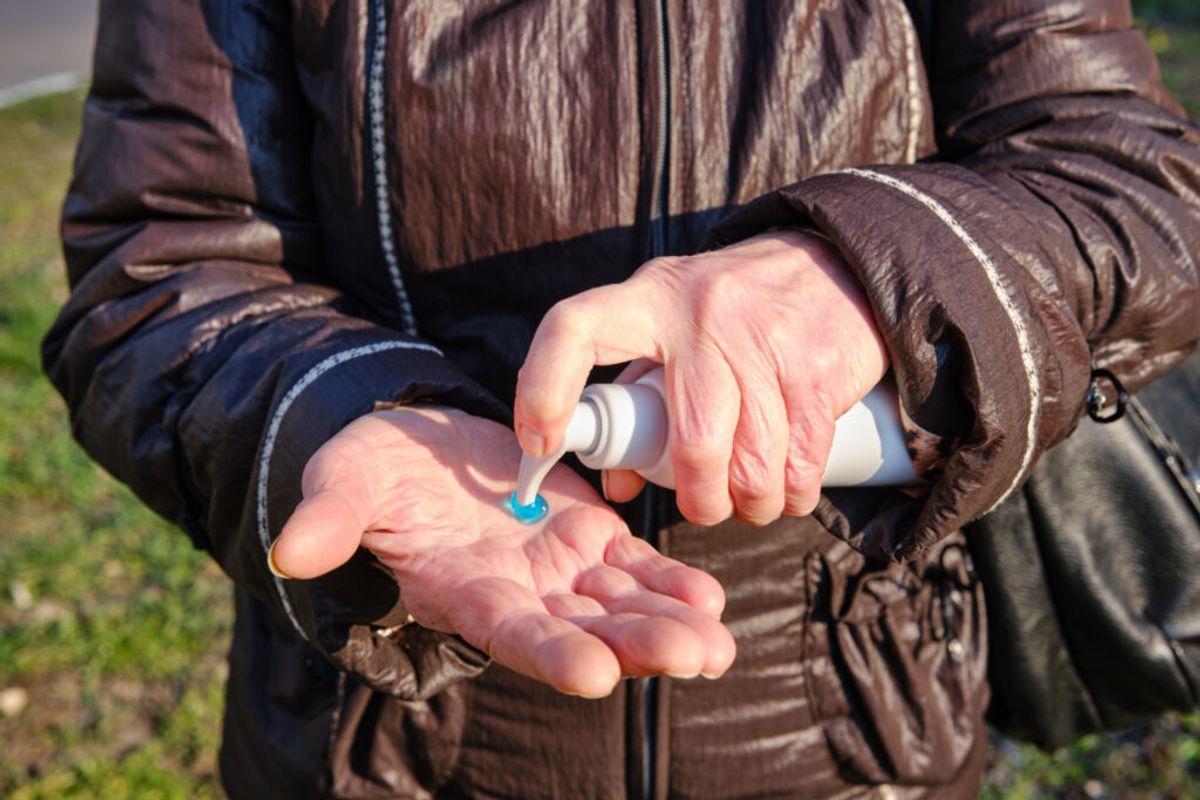
These are the everyday camping essentials that campers don’t realize they’re missing until they need them. High-turnovers to have on your camping checklist include toothpaste, deodorant, pain relievers, insect repellent, and feminine hygiene products.
Firewood is a must-have and should be available year-round, ideally bundled near check-in or the entrance. Ice, propane refills, and bottled water also top the list of high-demand items.
Campers value convenience. Offering easy-to-grab snacks, coffee, and beverages—especially cold drinks in summer—makes your store a go-to stop multiple times during a single stay.
Additional Popular Products for Campground Stores
Once the essentials are in place, build out your store with products that bring in higher margins and make the shopping experience more enjoyable. This is your chance to boost per-guest spend while creating a fun and memorable store.
Souvenirs and Camp-Themed Merchandise
Campers love to bring home a piece of the experience. That’s where souvenirs shine. T-shirts with your logo, mugs, enamel pins, and bumper stickers are bestsellers that cost little to stock but can command strong profit margins.
Offer local artisan products or region-specific souvenirs like postcards, handmade soap, or local honey. These items often sell well because they tie guests to the area and feel more personal than generic travel products.
Use attractive displays near the checkout counter to encourage impulse buys. You can also create bundles, like a “memory pack” that includes a T-shirt, mug, and sticker at a small discount.
Outdoor Recreation Equipment
If your campground is near a lake, river, trail, or park, recreation gear is a must. For fishing spots, offer basic rods, reels, tackle kits, and bait. For trails, provide hiking poles, water bladders, insect netting, and compact first aid kits.
Rentals are a low-risk, high-reward option. Canoes, kayaks, paddleboards, and bikes—plus safety gear like helmets, hiking boots and life jackets—generate recurring revenue without requiring guests to purchase costly equipment.
To encourage usage, provide maps, activity guides, or even laminated local trail recommendations for sale. These small touches make guests feel more confident and ready for adventure.
Health and Safety Items
Book a FREE, personalized demo.
Campers may not think of safety supplies until a problem arises. That’s why you should carry a well-stocked section of health and emergency items.
Offer bandages, antiseptics, hydrocortisone cream, and allergy medication. Bug bite relief, burn cream, and poison ivy wipes are also great additions. Consider selling a travel-sized emergency aid kit with the basics inside.
For weather-related prep, stock emergency ponchos, mylar blankets, flashlights, and power banks. When guests feel safe and cared for, they’re more likely to return—and recommend your campground to others.
How to Choose the Right Products for Your Campground Store
There’s no one-size-fits-all inventory strategy. What you stock should reflect your location, guest demographics, and on-site activities. By aligning your inventory with camper expectations, you improve satisfaction and increase sales.

Understand Your Target Market
Knowing your audience helps you curate your inventory more effectively. Family-oriented RV parks should include board games, bubbles, glow sticks, and coloring books. If you host a lot of RVers, include essentials like surge protectors, leveling blocks, and sewer hose supports.
Pet-friendly properties should offer dog treats, collapsible water bowls, toys, and pet waste bags. These small products make a big impression on pet owners.
Also consider your average stay length. Long-term renters may want grocery basics, laundry detergent, or household supplies—products that shorter-term visitors might not need.
Balance Between Practicality and Profit
Your camp store should strike a balance between fulfilling guest needs and maximizing revenue. Essential camping gear are non-negotiable but generally bring lower margins. That’s where add-ons like branded merchandise, gifts, and seasonal products come in.
Try rotating small batches of new or seasonal items—like hot cocoa packs in winter or pool floats in summer. This allows you to test trends and adjust inventory without overstocking.
Merchandising can also help: group related items together, use signage to tell stories, and highlight bestsellers to encourage repeat purchases.
Maximizing Revenue Through Your Campground Store
Once your store is stocked, the next step is maximizing its performance. Presentation, strategic pricing, and thoughtful layout can turn average transactions into revenue-boosting sales.
Upselling and Cross-Selling
Upselling encourages customers to purchase premium or complementary items. For example, if someone buys a flashlight, suggest rechargeable batteries. If they’re getting firewood, offer marshmallows, graham crackers, and chocolate for a s’mores kit.
Cross-selling involves placing related products together, such as sunscreen near hats and lip balm or bug spray next to citronella torches. This helps guests discover additional products they didn’t know they needed.
Use prompts like “Perfect for your campsite tonight” or “Complete your trail kit” on small signs to guide decisions naturally.
Seasonal Considerations
Seasonality should guide your inventory rotation. Summer is ideal for pool noodles, insect repellent, and cold beverages. Fall campers will look for cozy blankets, hot drinks, and hand warmers.
Winter visitors may need de-icing products, snow brushes, or thermal wear—if you’re open year-round. Around holidays, create themed displays and consider stocking gift-ready items.
Regularly refreshing your store’s look based on the season keeps it exciting for repeat guests and can drive last-minute purchases from people who simply want to browse.
Turn Your Campground Store Into a Guest Favorite and Profit Center
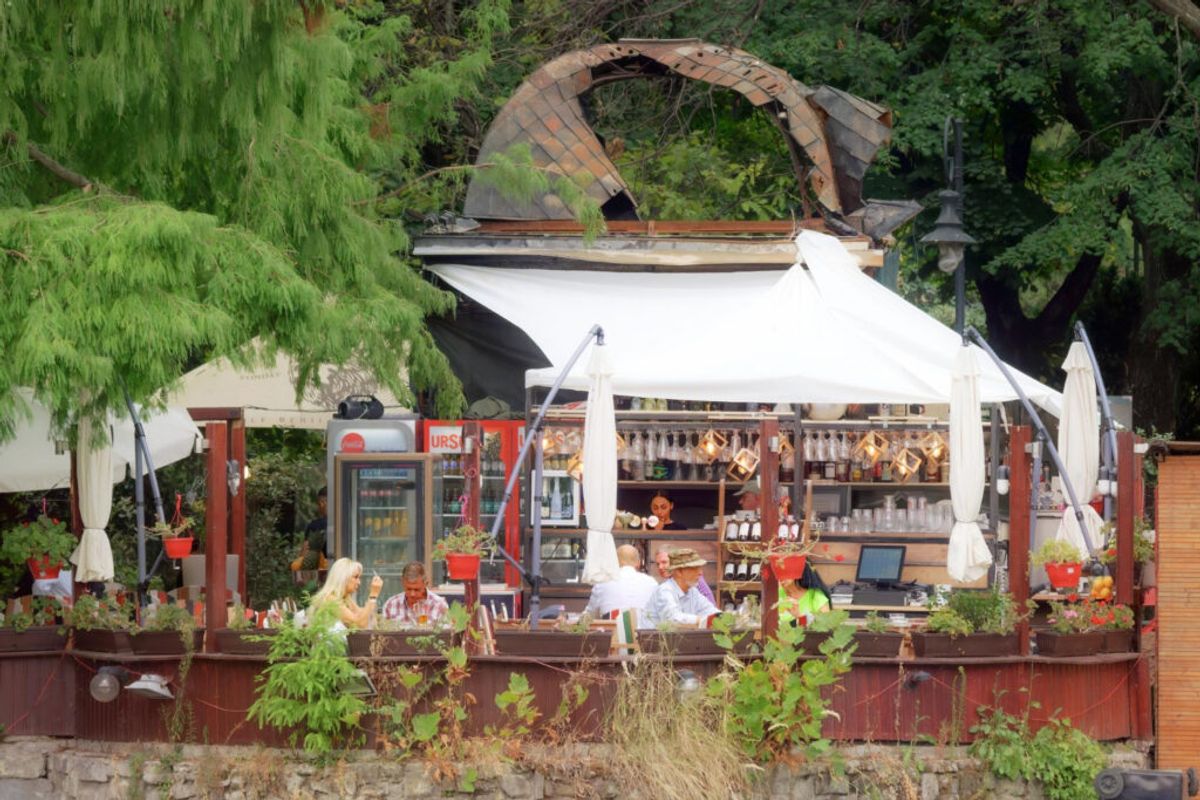
A well-stocked, thoughtfully managed campground store is more than a convenience—it’s a strategic business tool. It enhances the guest experience, supports your brand, and offers one of the most consistent streams of ancillary revenue.
By stocking essential campground store items and expanding into profitable product categories, you create a space guests want to return to again and again. Use signage, bundles, and seasonal shifts to drive more purchases without overwhelming your team.
When your campground store becomes a reliable source of comfort, excitement, and surprise, it cements your RV park’s reputation as a place that thinks of everything.
Frequently Asked Questions
You can start small with a 100–200 square foot retail area, especially if you’re only offering high-turnover items like snacks, firewood, and toiletries. For larger campgrounds, expanding to 500–1,000 square feet allows for additional product categories like apparel, outdoor gear, and souvenirs. What matters most is layout efficiency, product selection, and ease of navigation.
A campground-focused POS system like RoverPass POS is ideal. It integrates directly with your reservations, supports contactless payments, tracks inventory, and lets guests charge items to their site. This seamless system saves time for your staff and improves the customer experience.
Yes, this feature is a win-win. It reduces friction in the buying process, encourages spontaneous purchases, and helps consolidate transactions for guests. Just ensure your POS system can track purchases and tie them to the correct reservation.
Start by checking prices at local stores, then mark up by 10–30% depending on the item. Guests understand they’re paying for convenience. Use bundling strategies to offer value while protecting your margins. Monitor which products move fastest and adjust prices or promotions accordingly.
Yes. Selling packaged food typically requires health department approval. Firewood may require permits due to invasive species regulations. Alcohol sales require specific state and sometimes federal licensing. Always check your local and state guidelines to stay compliant and avoid fines.
Ready to Transform Your Campground?
See how RoverPass can help you increase bookings and streamline operations.
Book a Demo