Small Park, Big Revenue: 10 Upsells Guests Actually Buy


Smaller RV parks often assume their size limits their revenue potential, but guest spending habits tell a different story. Campers consistently show a willingness to pay for add-ons that improve convenience, comfort, and the overall trip experience. The real question is which upsells actually drive revenue, not based on guesswork, but on clear traveler behavior and industry trends.
In short, the upsells guests actually buy are the ones that remove friction, add comfort, or deepen the experience. And with the right approach, even a small park can add meaningful non-site revenue without expanding land or adding labor-heavy amenities.
Upsell Comparison Table: Priority, Difficulty, and Realistic Cost Ranges (2026)
Designed for small RV parks with limited staff, limited infrastructure, and a need for predictable revenue.
| Upsell | Priority (2026–2028) | Difficulty to Implement | Estimated Cost (Small Park Reality) | Why It Matters Most |
|---|---|---|---|---|
| Premium Internet (Tiered Wi-Fi) | Very High – Consistently top decision factor for guests | Medium – may require upgraded access points | $1,500–$8,000 depending on existing network + $40–$200/mo service | Turns a cost into recurring revenue; directly influences booking decisions; reduces complaints. |
| Site Locking | Very High – Universal demand | Very Low – policy change only | $0 to implement | Zero-cost revenue; reduces arrival friction; stabilizes operations and occupancy patterns. |
| Early Arrival / Late Departure | High – tied to travel stress and convenience | Very Low – rule-based upsell | $0 | No-infrastructure revenue; smooths arrival flow; monetizes repeated guest behavior. |
| First-Night Convenience Bundles | High – tied to arrival fatigue | Low – requires modest inventory | $200–$1,000 in initial supplies | High margin; reduces store rush; immediate impact on guest satisfaction. |
| Pet Add-Ons | High – pet travel keeps growing | Low – simple kit or access pass | $150–$1,200 for small dog-run or kits | Supports long-stay guests; reliably purchased; strengthens a loyal demographic segment. |
| Comfort & Setup Rentals | Medium–High – driven by younger travelers | Medium – requires storage & durable gear | $500–$3,500 initial equipment | Recurring revenue; enhances site feel; keeps guests on-site instead of going to town. |
| EV + E-Bike Charging | Medium – rising demand but region-dependent | Medium – needs electrical assessment | $300–$800 for e-bike station; $4,000–$12,000 for Level 2 | Future-proofs the park; attracts growing EV segment; adds sustainability value. |
| Simple On-Site Activities | Medium – great review booster | Low – no major staffing needed | $150–$1,000 depending on equipment | Enhances atmosphere; improves reviews; keeps families on-site during evenings. |
| Micro-Experiences w/ Local Partnerships | Medium – high emotional return, low cost | Very Low – collaboration-based | $100–$2,000 for signage, lighting, tasting setup | Creates identity; drives word-of-mouth; differentiates you from generic properties. |
The Top 10 Upsells
Small parks don’t need resort amenities to increase revenue. What today’s travelers actually buy are upgrades that remove uncertainty, reduce friction, and make their stay feel smoother from the moment they arrive.
Premium Internet

Premium internet has shifted from an amenity to a determining factor in campsite selection. Travelers are working remotely, homeschooling, streaming entertainment, making telehealth calls, and relying on cloud-based tools daily. When a park offers a free basic tier and a paid high-speed tier, guests reliably opt into the premium level because it ensures uninterrupted connectivity. In small parks, where fewer users share the network, the upgrade can feel genuinely reliable, something larger properties often struggle to promise.
Paid internet works particularly well in rural or semi-rural areas where guests expect weak cell coverage. In these areas, strong Wi-Fi becomes a competitive advantage that drives bookings before guests even see your photos. It eliminates one of the biggest frustrations in RV travel: unpredictable connectivity.
Why these benefits your park
Premium internet turns a sunk cost into a meaningful revenue stream. It reduces complaints, shortens staff troubleshooting time, and positions your park as a reliable stop for year-round travelers, especially digital workers. It requires no additional staffing, no physical expansion, and minimal maintenance, yet it immediately increases average revenue per site.
Site Locking

Site locking has become one of the most predictable upsells because today’s RVers, especially those with newer, longer rigs, do not want surprises on arrival. Site dimensions, turning angles, shade, proximity to amenities, and pull-through orientation matter more than ever. Guests want assurance that the site they saw online is the site they will get, especially after long drive days or when traveling with children or older relatives.
This upsell works because it removes uncertainty. Many guests are willing to pay simply to avoid last-minute reassignment, tight angles, or unfamiliar setups.
Why this benefits your park
Site locking generates revenue with zero equipment cost and immediately stabilizes your operations. It reduces check-in disputes, minimizes on-the-spot reshuffling, and gives your team more control over how you distribute rigs across the property. This makes peak-day arrivals smoother and reduces wear on certain high-traffic sites.
Early Arrival and Late Departure
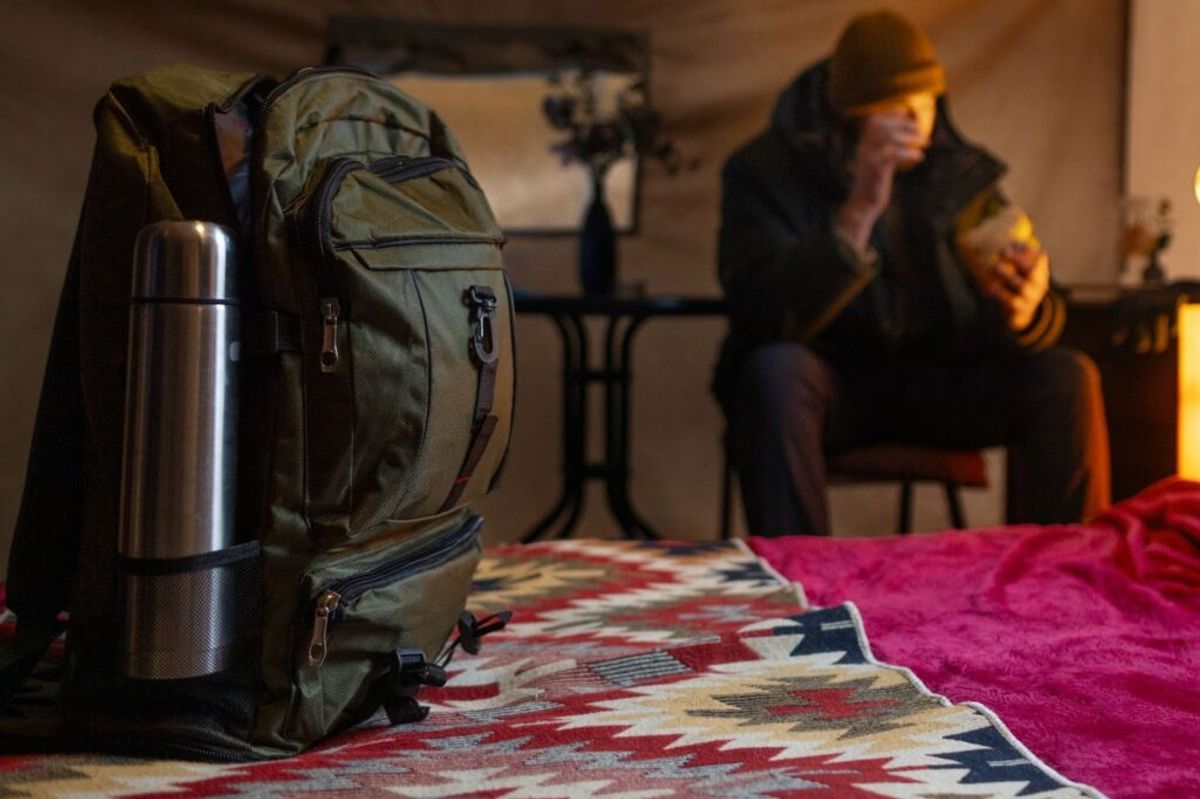
Today’s travelers often plan their driving around a park’s check-in window, and most are trying to avoid setting up in the dark or rushing out before they’re ready. Offering structured, paid early arrival or late departure gives them flexibility while allowing you to keep turnover predictable.
This upsell consistently performs because it solves a real pain point: the stress of timing long travel days. It’s especially valued by full-timers, seniors, and families who prefer slow mornings.
Why this benefits your park
It produces recurring revenue without requiring new infrastructure and reduces gate congestion from guests arriving too early. It also improves housekeeping, site maintenance flow, and your staff’s ability to plan their day. Instead of policing early arrivals, you monetize the demand.
First-Night Convenience Bundles

Guests arriving after long miles don’t want to drive out again for firewood, ice, propane, or basic supplies. First-night bundles work because they address real arrival-day exhaustion and reduce the number of immediate requests guests make of your staff or store.
These bundles feel personal and planned rather than transactional, especially when you incorporate local or branded touches. A small park can execute this in a way that feels curated, something large resorts often lose in scale.
Why this benefits your park
You increase margins on high-ROI items, reduce store rushes during peak check-in hours, and create a strong first impression. The convenience factor often leads to repeat purchases on subsequent days, and the bundles require minimal storage.
Pet Add-Ons
Book a FREE, personalized demo.

More than half of modern RV travelers bring pets, and they’re willing to pay for comfort, safety, and convenience. Pet welcome kits, small dog-run access, and structured pet fees work because owners want predictability, especially in unfamiliar places.
These upsells fit small parks very well, where off-leash areas or pet-friendly paths feel more personal and less crowded.
Why this benefits your park
Pet add-ons attract a loyal demographic that often books longer stays and chooses parks based on pet-friendliness. They also create clearer expectations around pet behavior, which reduces conflicts and complaints.
Comfort and Setup Rentals
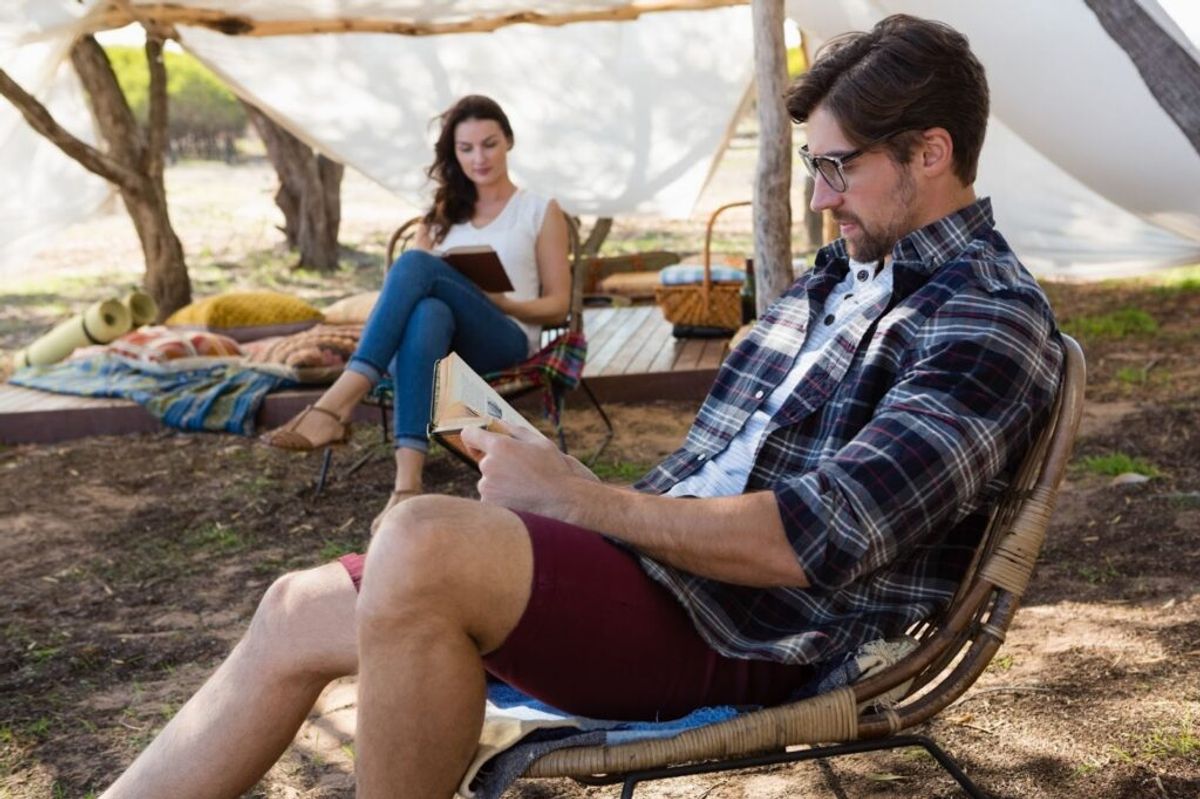
Many guests want to enjoy an outdoor experience without transporting bulky equipment. Offering rentals like fire pits, patio sets, grills, or lantern packages helps guests create ambiance quickly. These setups transform a standard RV pad into a comfortable outdoor living space without requiring permanent park upgrades.
Younger travelers, in particular, value aesthetics and comfort, but prefer not to carry additional gear.
Why this benefits your park
Rentals produce recurring income from one-time purchases, require modest storage, and make your sites feel upgraded without expensive renovations. They also reduce “Do you rent…?” questions and keep guests on-site instead of shopping in town.
EV and E-Bike Charging

Electric vehicles and e-bikes are increasingly common among RVers. Most guests don’t need fast charging, just reliable overnight access. Offering Level 2 stations or designated 120V e-bike charging spots captures this need cleanly.
For small parks, the advantage is agility: you can implement charging faster and more intentionally than large facilities burdened by outdated infrastructure.
Why this benefits your park
It positions your park ahead of local competitors, attracts a growing traveler segment, and supports sustainability expectations. The upfront cost is manageable, especially for e-bike charging, and demand increases steadily each year.
Simple On-Site Activities
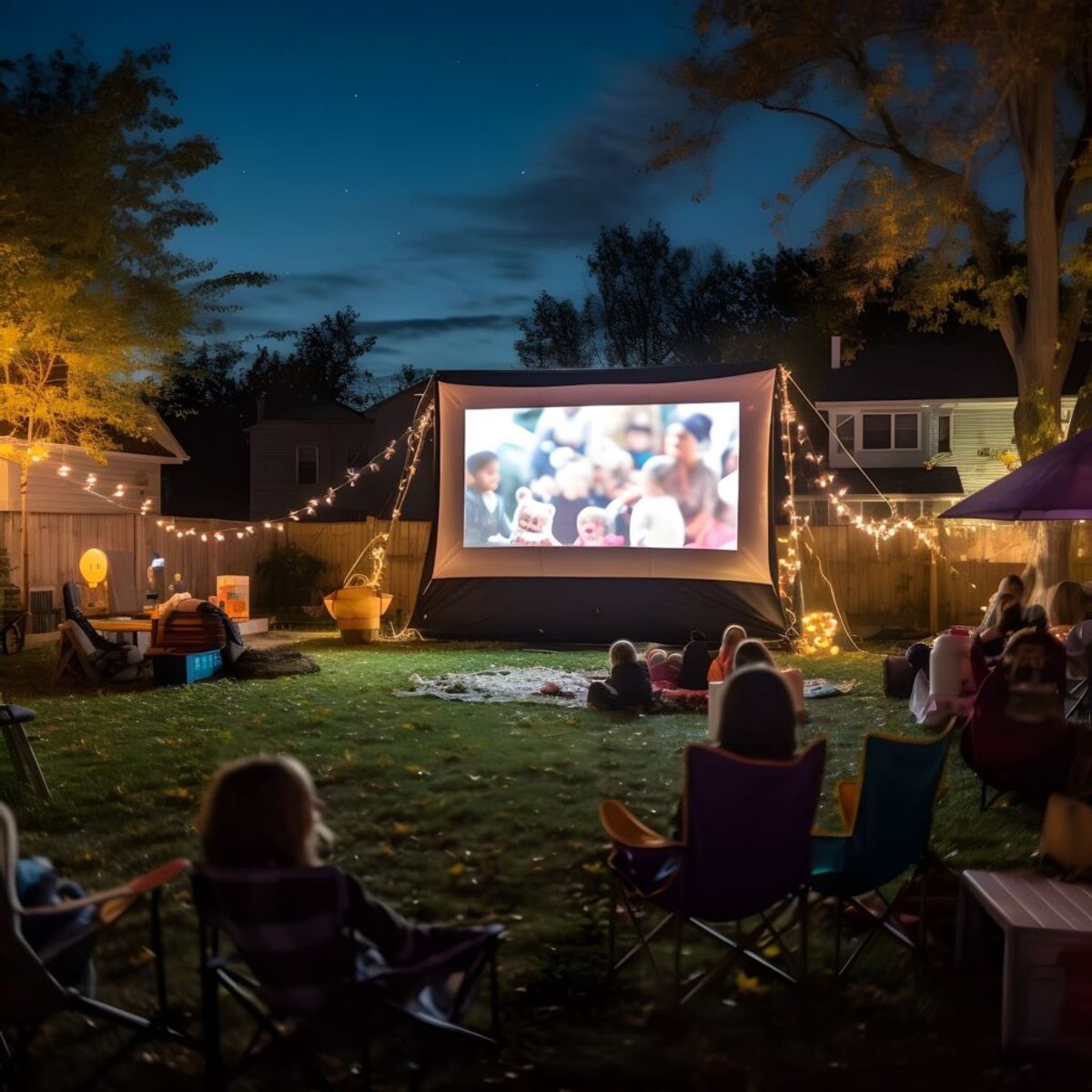
Guests appreciate activities that don’t require planning or scheduling. Movie nights, simple craft tables, guided morning walks, or stargazing hours create a sense of community without needing a full activity department.
Small parks are uniquely positioned to make these feel authentic rather than corporate.
Why this benefits your park
These activities enhance your park’s personality, improve reviews, and encourage guests to stay on the property instead of seeking evening entertainment elsewhere. They also create family-friendly value without major investment.
Micro-Experiences

Micro-experiences work because they add character in a way that large parks struggle to replicate. Travelers in 2026 increasingly seek moments that feel rooted in place, something they couldn’t get by staying anywhere else.
Where these experiences become even more powerful is through local partnerships. A small weekend tasting with a nearby orchard or roastery, a nature walk led by a local guide, or a borrowed cultural element from the region instantly elevates the sense of place without requiring you to build major amenities. Guests value authenticity more than size, and these collaborations deliver it.
Why this benefits your park
Micro-experiences supported by local partnerships offer one of the highest returns on the smallest investments. They require minimal infrastructure, often just path lighting, basic signage, or a few kits, and convert into organic marketing, photos, reviews, and repeat stays driven by a unique experience your competitors don’t offer.
Conclusion: How Small RV Parks Win Big
The most profitable upsells for small RV parks aren’t the flashiest; they’re the ones that align with how travelers actually behave today. Guests want consistency, comfort, and fewer decisions after long drive days. They value strong connectivity, predictable site assignments, flexible arrival windows, and thoughtful conveniences that make their stay feel smoother from the first hour.
If you want to implement these upsells seamlessly, your reservation system should support them at booking, in confirmation flows, and during the stay. RoverPass helps small parks automate upsells, optimize pricing, and understand guest behavior so you can grow revenue without growing your workload.
Frequently Asked Questions
Focus on your existing guest behavior, your most common questions at check-in, and amenities that remove friction or add comfort. Upsells should complement, not complicate, your operations.
Yes. Many high-performing upsells (site lock, firewood, early check-in, Wi-Fi upgrades) require no additional labor once set up.
Both can work, but online pre-booking generally leads to higher adoption because guests make decisions while planning their stay.
Ready to Transform Your Campground?
See how RoverPass can help you increase bookings and streamline operations.
Book a Demo