Gay Campgrounds: How to Make Your Campground Welcoming and Inclusive

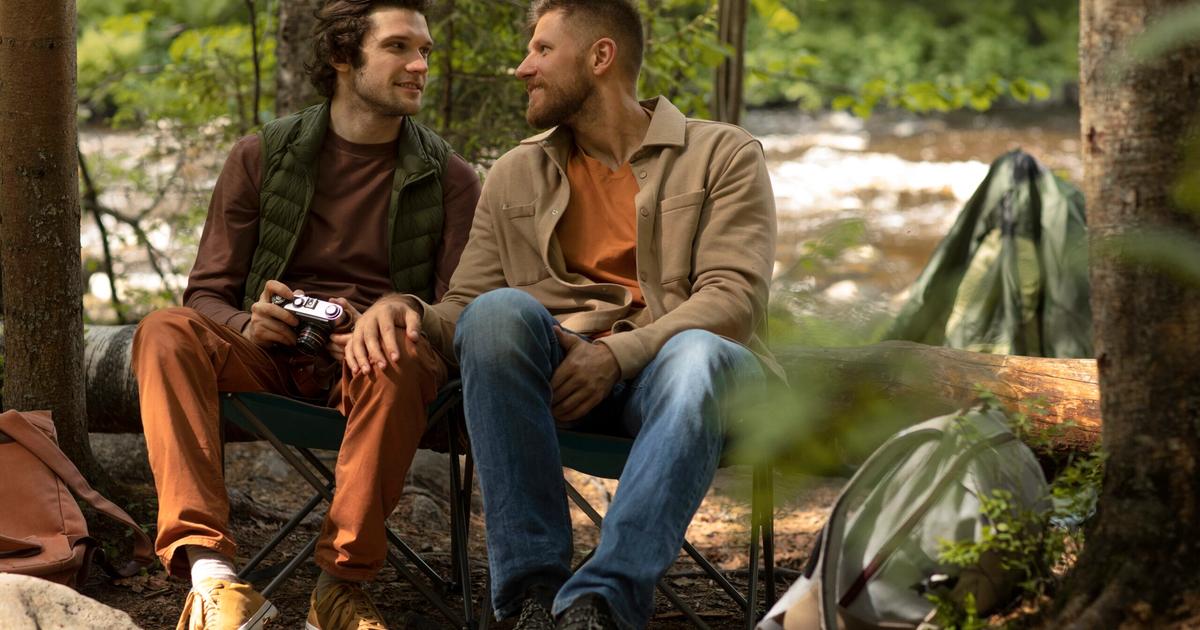
For LGBTQ+ travelers, the decision to book a site often depends on one simple but powerful factor: inclusivity. Guests want to know they can relax, be themselves, and enjoy the outdoors without fear of judgment or discrimination.
Creating a gay-friendly campground doesn’t mean redesigning your property from scratch or becoming an expert in LGBTQ+ culture. Instead, it’s about ensuring policies, staff behavior, and amenities reflect a commitment to respect and equality. When campgrounds foster inclusive environments, they not only attract a diverse range of guests but also build loyalty among travelers who value diversity and acceptance.
Understanding the Needs of LGBTQ+ Campers
To make your campground truly inclusive, you first need to understand what matters most to LGBTQ+ travelers. Their needs overlap with those of other campers, but safety, comfort, and community carry particular weight.
Safety and Comfort Are Non-Negotiable
LGBTQ+ or not, most travelers think camping is more than escape and relaxation. That means no tolerance for discrimination, staff who treat everyone with respect, and spaces that signal inclusivity. Even small gestures, like displaying clear anti-discrimination policies or training employees to handle guest interactions thoughtfully, can transform the experience.
Reputation matters. Word-of-mouth, social media, and LGBTQ+ travel networks often influence booking decisions more than paid advertising. A campground seen as unsafe can lose business quickly, while one that builds a reputation for inclusivity attracts loyal, returning guests.
Inclusive Amenities and Facilities
Amenities don’t need to be extravagant to make an impact. Small changes show guests that inclusivity is more than a slogan:
Compared to major expansion projects like building cabins or stores, these updates are low-cost but high-impact. They enhance comfort, foster loyalty, encourage repeat visits, and generate positive reviews from a diverse mix of guests.
Gender-neutral or single-occupancy bathrooms and showers
Bathrooms and showers are among the most sensitive areas for travelers. Offering gender-neutral or single-occupancy options allows anyone, from LGBTQ+ guests to parents assisting children, to feel safe and comfortable. These facilities reduce anxiety, eliminate awkwardness, and signal that your campground respects all identities. Even a simple conversion of a few stalls or adding clear signage can have a meaningful impact.
Flexible campsite layouts
The way campsites are arranged affects both privacy and comfort. Some guests prefer seclusion, while families often need larger, accessible spaces for tents, RVs, or gear. Designing flexible layouts ensures you can accommodate couples, families with children, multigenerational groups, and solo travelers alike. Thoughtful placement of trees, fencing, or shrubbery can create natural boundaries, giving everyone a sense of space without isolating anyone.
Shared social spaces designed for connection
Community areas, like picnic spots, fire pits, or lounges, should encourage interaction without assumptions about who belongs or how guests choose to participate. Spaces that welcome conversations, games, or quiet relaxation foster a sense of belonging for singles, couples, families, and LGBTQ+ travelers alike. Incorporating seating arrangements that are adaptable for small or large groups ensures everyone can comfortably join in.

Activity programming that avoids tokenism
Events and activities should be inclusive by design. Outdoor movie nights, guided hikes, communal meals, or yoga sessions provide opportunities for guests to bond over shared interests rather than identity. Avoid programming that singles out LGBTQ+ guests or relies on stereotypes; focus instead on universal experiences that are welcoming to all. This approach increases participation, builds community, and strengthens your campground’s reputation.
Why these changes matter
Compared to large-scale expansions such as adding new cabins or a store, these updates are relatively low-cost but high-impact. They demonstrate that your campground values respect, safety, and comfort for every guest. Well-implemented amenities lead to higher satisfaction, repeat visits, positive online reviews, and strong word-of-mouth recommendations, especially among travelers who prioritize inclusivity and community.
By thoughtfully integrating LGBTQ+ and family-friendly considerations into your amenities, you create a campground that feels safe, welcoming, and enjoyable for everyone, without segregating or highlighting any group as “special.”
Book a FREE, personalized demo.
How to Make Your Campground Gay-Friendly
Inclusivity starts with leadership, but these strategies create changes that guests will instantly thank:
Develop Inclusive Policies and Train Your Staff
Clear anti-discrimination policies should appear on your website, in booking confirmations, and at check-in. Guests should never have to guess whether your property prioritizes respect.
Staff training is equally important. Your employees don’t need to be LGBTQ+ themselves; they just need to understand how to interact with all guests fairly. From using pronouns correctly to de-escalating uncomfortable situations, inclusivity should be part of onboarding and reinforced in ongoing training. Consistency is key.
Thoughtful Marketing and Representation
Authenticity matters. Including LGBTQ+ travelers in your photos, videos, and social campaigns signals inclusivity without falling into stereotypes. Showcase your campground as a welcoming community where everyone belongs, instead of leaning on token gestures.
Your online presence plays a critical role in building trust. Most campers research properties on booking platforms, search engines, and social media before booking. Optimizing your listings, investing in SEO for campgrounds and RV parks, and leveraging social media marketing for campgrounds are essential steps to reach today’s diverse audiences.
Social Events and Community Engagement
Camping is social by nature. While not every guest wants organized activities, many LGBTQ+ travelers value opportunities to connect in safe, inclusive spaces. Events like outdoor movie nights, communal cookouts, or yoga sessions help create that sense of belonging without labeling them as “for one group only.”
Community also extends online. Sharing guest experiences, not only hashtags, but chatting and encouraging reviews, shows your values in action. Younger demographics like Millennials and Gen Z rely heavily on social proof, making digital engagement just as important as on-site hospitality.
Collaborate with LGBTQ+ Organizations
Partnerships help amplify your efforts. Working with LGBTQ+ travel groups, getting listed in inclusive travel guides, or sponsoring community events demonstrates a genuine commitment. These collaborations aren’t just good PR; they establish your campground as a trustworthy, authentic destination in a competitive market.
Conclusion
Making your campground inclusive isn’t about chasing trends or checking boxes. It’s about ensuring every guest feels safe, respected, and free to enjoy the outdoors. LGBTQ+ travelers are a growing, loyal part of the RV and camping community, but their expectations mirror what every camper values: safety, fairness, and hospitality that feels genuine.
By investing in inclusivity through staff training, thoughtful amenities, and authentic marketing, you’re building an environment that benefits all campers. In 2025 and beyond, inclusivity is not just a moral choice; it’s a smart business strategy that drives loyalty, strengthens your reputation, and ensures sustainable growth.
Frequently Asked Questions
A truly gay-friendly campground has clear anti-discrimination policies, trained staff, and amenities that guarantee safety, privacy, and comfort for all guests.
Include inclusivity training in onboarding. Teach staff to use correct pronouns, provide basic education on LGBTQ+ terminology, and prepare them to handle sensitive situations with respect.
They aren’t mandatory, but inclusive programming fosters community and strengthens guest loyalty. Even simple activities can help guests feel connected.
Use inclusive imagery, highlight your policies, and promote your community-oriented atmosphere through social media and booking platforms. Authenticity matters more than slogans.
Yes. Gender-neutral bathrooms, flexible campsite layouts, and inclusive shared spaces make campgrounds more comfortable and attractive to LGBTQ+ travelers and their families.
Ready to Transform Your Campground?
See how RoverPass can help you increase bookings and streamline operations.
Book a Demo