RV Park Septic Systems: Cost, Types and Maintenance

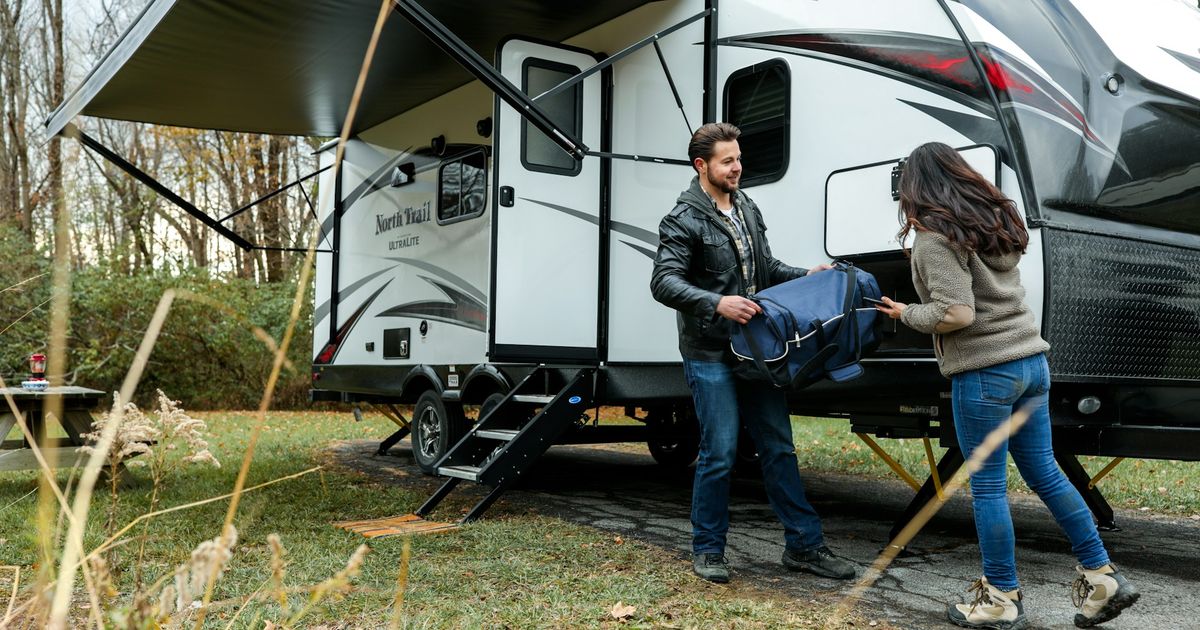
Constructing an RV park septic system is one of the most critical steps in developing or expanding a campground. These systems manage all wastewater from RV hookups, bathhouses, laundry facilities, and dump stations, making them essential for both guest comfort and regulatory compliance. For many rural or semi-rural parks, an on-site septic system is the only viable wastewater solution. Understanding how these systems work, what they cost, and how to maintain them properly helps RV park owners plan responsibly and avoid costly failures in 2025 and beyond.
How RV Park Septic Systems Work
An RV park septic system is a ground-based wastewater treatment solution designed to handle higher and more variable usage than a typical residential system. While the scale is larger, the core treatment process follows the same principles.
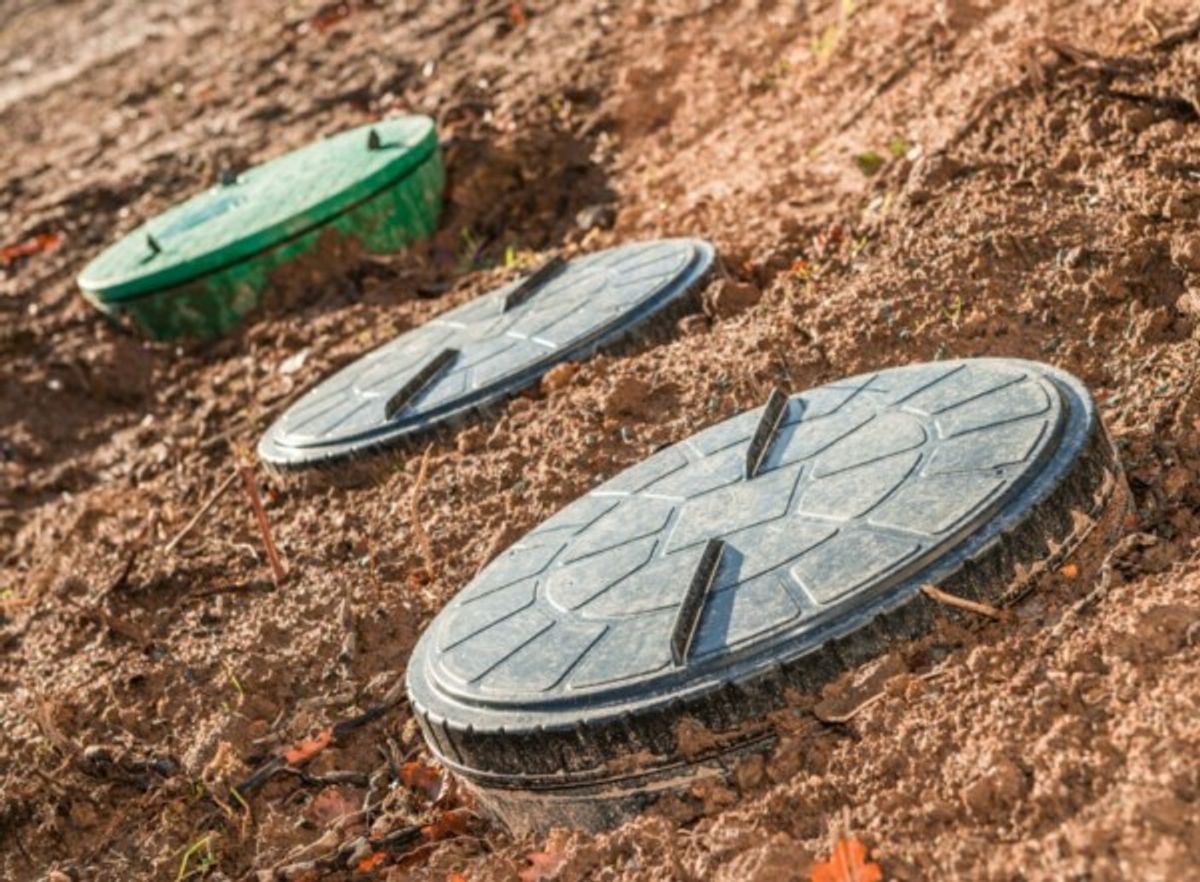
The process begins in the septic tank, where wastewater from RV sites and park facilities flows into a buried tank made of concrete, fiberglass, or heavy-duty polyethylene. Inside the tank, solids settle to the bottom while oils and grease rise to the top. Naturally occurring bacteria begin breaking down organic material, allowing partially clarified liquid—known as effluent—to move on to the next stage.
From there, the effluent is distributed through pipes or pumped systems into the drainfield. In many modern installations, pumps, float switches, or alarms regulate flow to prevent overload during peak occupancy. The drainfield itself consists of perforated pipes or chambers installed in gravel or engineered soil beds. As the effluent slowly disperses, the surrounding soil filters contaminants and completes the treatment process before the water returns safely to the groundwater system.
When properly designed and maintained, this passive, soil-based treatment method can operate efficiently for decades.
Modern Septic Technologies Used in RV Parks
As campground demand increases and environmental standards tighten, many RV parks are adopting advanced septic technologies to improve performance and reduce risk.
Smart Monitoring and Controls
Modern systems increasingly rely on smart sensors and remote monitoring tools. These systems track tank levels, pump cycles, and alarm conditions in real time, alerting operators to potential problems before failures occur. Predictive maintenance reduces emergency repairs and extends system lifespan—an important advantage for parks with seasonal spikes in usage.
Aerobic and Natural Treatment Systems
Aerobic Treatment Units (ATUs) introduce oxygen into the treatment process, accelerating bacterial activity and producing cleaner effluent than conventional septic tanks. In environmentally sensitive areas, constructed wetlands or biofilter systems may be used to further reduce nitrogen and phosphorus before discharge. These systems rely on plants, microbes, and engineered media to polish wastewater naturally.
Water Conservation and Load Reduction
Some RV parks incorporate graywater reuse, low-flow fixtures, or composting toilets to reduce overall wastewater volume. While these approaches require careful design and guest education, they can significantly reduce stress on septic infrastructure—especially in parks with laundry facilities or extended-stay guests.
Although advanced systems carry higher upfront costs, their long-term environmental performance and reduced failure rates often justify the investment.
Analyzing the Costs of Installation of an RV Park Septic System
Septic system costs vary widely based on park size, soil, code and system. The following are the key cost elements:
1. Size
Larger parks need larger systems. The number of sites in a park (or expected visitors per day) determines how many tanks and how large a drainfield you will need. An approximate rule-of-thumb is to sub-divide park size into ranges:
- Small (≤20 sites): Normally a minimum of 2 septic tanks in parallel.
- Medium (21–50 sites): Typically 4 or more tanks.
- Large (>50 sites): Typically 6 or more tanks, and a large drainfield or multiple fields.
Every individual septic tank (about 1,000–2,000 gallons per park) will cost tens of thousands installed. In 2023 an order-of-magnitude estimate was ~$10,000–$15,000 per tank (labor and with minimal drainfield). In 2025, with inflation on construction (~4% in 2023 and several percent more projected for 2024), plan to budget around $12,000–$20,000 per tank as an order-of-magnitude estimate.
For example, a 20-site campground would spend perhaps ~$30,000–$50,000 total on tanks and pipe, while a 100-site park could easily spend more than $100,000 or even more for septic equipment. (These are only estimates; quotes will likely be higher in areas with high prices or when complicated systems need to be used.)
2. Materials
Material cost is a big chunk of the budget. A septic system may utilize:
- Tanks: Fiberglass or heavy-duty plastic, or concrete. Concrete is solid and common, but weighty; fiberglass and poly tanks are lighter and typically crack-proof.
- Piping: HDPE or PVC pipes give the link from homes to tanks and tanks to the field.
- Distribution Boxes and Chambers: Valve boxes, plastic chambers or concrete distribution boxes deliver the flow into the drainfield lines.
- Drainfield Fill: Rock, gravel, or chamber panels for the leach field.
Additional: Fiberglass or concrete risers and tank access lids, manhole covers, inspection ports, grease traps (if handling kitchen trash), etc.
Higher-priced or specialty materials will add cost. Examples include corrosion-resistant components and extra manholes (for better access), which are more costly. More modern prefabricated drainfield chambers save space but cost more than traditional gravel beds. Plan to spend $5,000–$20,000+ in materials on a medium system, based on complexity and local prices.
3. Labor
Installing an RV park septic system is labor-intensive. You’ll typically need:
- Excavators & Equipment Operators: To dig trenches and holes for tanks and pipes.
- Plumbers/Sewage Professionals: To assemble tanks, seals, pipes and make all connections water-tight. In most states, septic installers must be licensed or certified.
- Electricians: If using pumps or ATUs, you’ll need wiring and possibly control panels.
- Engineers/Surveyors: In some areas, engineered plans are required, especially for large or unusual sites. Design plans and soil tests may be necessary.
Labor varies, but veteran septic installation teams are not cheap. In regions with greater labor expenses (urban or coastal areas), labor could be 20–40% of the system price.
Don’t forget indirect labor: project management, inspections, and perhaps union fees if working on government contracts. These can add another thousand or more to your price tag. (As a general rule, always get several bids. Deep excavation or difficult soil can rapidly drive up labor costs.)
4. Fixtures and Amenities
Although not officially part of the “septic system,” wastewater treatment is used to house all your guest luxuries. RV parks have a tendency to turn primitive bathrooms into welcoming amenities. In planning on budget, consider the fixtures that will pump waste into the system:
- Toilets, Sinks, Showers: The number and quality of bath fixtures affect usage. Low-flow, high-efficiency toilets and showerheads save water (less wastewater) but cost more up front.
- Accessories: Towel racks, hand dryers, soap/hand sanitizer dispensers, LED lighting, and heavy-duty wall/ceiling materials. These don’t really change the sewer load, but add to facility cost.
- Upgrades: Some parks have amenities like heated floors, motion-sensor faucets, or modern restroom artwork. These don’t change the septic process, but add to the overall project cost.
Example: A bare-bones restroom block with ordinary porcelain fixtures and tile floor would be $10,000–$20,000 or more, depending on the size. Using stainless steel fixtures, RV-acceptable tanks (the kind RVers flush them out), or adding climate control makes it more expensive.
Budget item (approx.):
- Toilets/Sinks/Showers (each restroom): $2,000–$5,000 (quality minimum).
- Low-flow upgrades: +5–10%.
- Hand dryers, upscale stalls: add $500–$2,000 per restroom.
Wasting money on nice fixtures and finishes is worthwhile; guests like clean, modern bathrooms. Just don’t forget, nothing stresses the septic more, don’t include laundry facilities or other high-waste features without considering additional capacity.
5. Permits and Licenses
Environmental and building permits are a big hidden cost. Codes vary significantly by state and locality, but expect to work through:
- Septic System Permits: Almost all jurisdictions require a permit before installation. This will be several hundred to several thousand dollars, based on park size. A review of environmental impacts or a hydrogeological study might be necessary if the park is in close proximity to sensitive waters.
- Engineering Approval: Most locations want engineered system plans and stamped drawings from a civil engineer. That engineering work will be $1,000–$5,000+.
- State UIC Registration: Within the United States, any septic system that serves 20 or more people a day is classified as a large-capacity septic system (LCSS) by the Safe Drinking Water Act. RV parks generally qualify, since a high-use park easily serves more than 20 individuals a day. LCSS system owners must register the system with the EPA or state Underground Injection Control (UIC) program and provide basic inventory information. The EPA requires that the system not damage drinking water, so design plans must show safe construction. (Fortunately, most local health departments take care of this requirement when issuing your septic permit.)
- Other Authorities: If your park lies in a floodplain or bordering on preserved wetlands, you may be required to have additional state or federal permits (Army Corps, state environmental agencies, etc.), each with a fee..
Keep in mind Maintenance and Common Issues
Contact first your county or state health agency. Codes might detail tank capacity, required tests, and even distance you must build from wells or lakes. Rocky soil mountain states, for instance, require pressure-dosed drainfields, whereas coastal areas might require sophisticated nitrogen-removal systems. Regulations can greatly influence cost and design
Maintenance and Common Issues
Book a FREE, personalized demo.
Installing a septic system is only the beginning; ongoing maintenance is essential to ensure reliable operation and avoid costly failures. Planning for regular upkeep and understanding common problems can help RV park owners prevent emergencies and maintain system longevity.
Regular Pumping
Every septic tank will eventually accumulate solid waste (sludge) that must be pumped out. The U.S. Environmental Protection Agency (EPA) recommends inspecting tanks every 1–3 years and pumping them every 3–5 years for average residential use. However, RV parks typically experience higher load volumes, especially during peak seasons, and may require annual or biennial pumping. Expect to budget between $500 and $1,000 per tank for each service, depending on tank size, accessibility, and local labor rates.
Routine Inspections
Regular inspection of the entire septic system is critical. At a minimum, schedule yearly assessments to examine:
- Tank conditions (e.g., cracks, leaks, corrosion)
- Baffles and filters (which prevent solids from entering the drainfield)
- Backflow preventers and alarms
- Drainfield performance (check for signs of pooling or soggy patches)
Annual inspections catch problems early, reducing long-term costs and extending system life.
Repairs and Replacement Planning
While septic tanks themselves can last 20–30 years or more with proper care, mechanical and electronic components have shorter lifespans. Anticipate replacement or repair needs for:
- Pump floats, lids, alarms, and PVC lines (typically every 10–20 years)
- Aerobic Treatment Unit (ATU) parts like blowers and motors (which require regular maintenance and occasional replacement)
It’s smart to maintain a sinking fund, a reserve account set aside specifically for future repair costs, to ensure you’re prepared.
Common Problems and How to Prevent Them
Clogs and Blockages
Improper disposal habits can quickly cause problems. RV users may flush non-biodegradable materials (wipes, hygiene products) or pour grease into drains. To reduce risk:
- Install trash screens or filters at dumping points.
- Clearly post instructions and signage reminding guests what not to flush.
Drainfield Saturation
High seasonal usage or wet weather can overwhelm the soil’s ability to absorb wastewater, especially in poorly drained or low-lying areas. Preventive steps include:
- Installing the drainfield above the seasonal high water table
- Using elevated beds or alternative trench systems
- Encouraging water conservation during peak occupancy
Cold Weather and Freezing
In colder climates, freezing temperatures can damage pipes and tanks. Protection strategies:
- Install components below the frost line
- Use insulated lines and heated enclosures for pumps and sensitive parts
- Design basins or control boxes with winterization in mind
Equipment Failure
Pumps, alarms, and other active components must be monitored. Include:
- Redundant systems (e.g., backup power sources or dual pumps)
- Alarms (both audible and remote alerts) to notify of malfunctions
- Routine testing and logkeeping for system performance
Tree Roots
Tree roots can damage or clog pipes and infiltration zones over time. Avoid planting trees near any part of the system, especially the drainfield.
Aging Infrastructure
Older systems are vulnerable to wear and corrosion. If tanks are metal, rust is a long-term risk; if concrete, cracks and settling can occur. Plan to reassess your infrastructure every 10 years, and expect that after 25–30 years, some level of replacement or major renovation may be necessary.
Keep Accurate Records
Manufacturers often require documented maintenance to honor warranties. Failing to keep track of inspections, pump-outs, and repairs can void guarantees. Maintain a maintenance logbook with service dates, technician reports, and receipts. This also improves resale value and ensures regulatory compliance.
Estimated Costs for RV Park Septic Systems
All told, here’s the approximate cost of a new septic system for an RV park in 2025 (all costs in USD):
- Design & Permits: $2,000 – $10,000+ (engineering plans, permits, soil tests).
- Tanks & Piping: ~$12,000–$20,000 per large tank installed. (Small concrete tanks for light use can be $5,000–$10,000 installed, large 2,000+ gallon tanks $15,000+.
- Drainfield Materials: $5,000 – $20,000 depending on soil, size, and whether you utilize gravel vs. concrete chambers.
- Labor and Installation: $10,000 – $50,000+ (excavation, crew labor, electrical). This can outrun tank expenses in challenging sites.
- Fixtures and Facilities: $10,000 – $50,000 for bathhouses (depending on quantity and quality of fixtures and finishes).
- Contingency and Testing: $2,000 – $10,000 for any necessary pre-tests (percolation, groundwater) and unexpected on-site work (rocky soil, dewatering, etc.).
For a tiny park (20–30 spaces), an entire system may start at approximately $30,000–$60,000. A medium park (50 spaces) would be approximately $60,000–$120,000. Huge parks easily get over $150,000–$200,000 if tons of tanks and pumps are needed. (These estimates are in terms of 2025 dollars – remember construction cost has grown about 4% annually)
These are only estimates. We recommend getting bids from several firms. Also take into account long-term value: a well-constructed system cuts maintenance costs later on.
Why Build an On-Site Septic System?
Some parks might ask, “Why not hook up to a city sewer line?” In rural counties too often that just isn’t an option, so septic is the solution. Even where there happens to be a sewer nearby, however, most RV park owners choose septic anyway. The benefits are:
Better for the Environment
A properly functioning septic system can conserve neighboring water. EPA reports confirm that efficiently functioning septic systems remove pathogens and nutrients, replenishing groundwater and preventing pollution. By treating wastewater on the site in soil, septic fields generally have less impact than the transport of raw sewer effluent over long distances. (Provided, of course, that the system is properly designed and cared for.)
Public Health Safety
On-site treatment minimizes leaks and exposure to pathogens. Every septic tank and drainfield is a closed, passive treatment system. That’s fewer sewage odors or accidental discharges than with some older cesspool systems or malfunctioning septic drains. (Municipal sewer systems can malfunction also, but with septic you’re not endangering a neighborhood sewer backup if your park’s system is well installed and checked.)
Reduce Ongoing Costs
A septic system is inexpensive in the long term. Without connection to a city sewer, your park does not need to pay monthly sewage fees. You also save the energy (and permit) costs of pumping waste across distances. You instead simply pay for occasional maintenance (pumping, electricity for any pumps/aerators, and minor replacement components). These decades-long costs can be significantly less than sewer utility payments.
Durability and Control
A well-constructed septic system will last for decades. Tanks can easily serve 20–30 years before needing replacement. You’re in control of maintenance and upgrades (for example, installing new smart monitors or additives). In contrast, public sewer lines can require costly park-wide hookups, easements, or share of county maintenance fees.
Regulations and Safety
Because of these benefits, local and federal rules actually encourage safe septic use. The EPA deems RV parks to be “large-capacity septic systems” when they have 20+ people using them, so yes, they do have standards. The Clean Water Act (CWA) and Safe Drinking Water Act (SDWA) control how these systems work: e.g., any point-source discharge of treated water (NPDES permit) is strictly controlled. By staying in compliance – using authorized tanks, taking soil samples, and not overloading the field – your septic system will comply with all environmental and health standards.
In one word, an on-site RV park septic system ensures that your park can function independently, many times cheaper and more sustainably than connecting to some distant sewer. It’s safe for guests and neighbors, and if properly maintained, can provide steady service for hundreds of years.
Maintain Your System Running Well and Your Guests Happy
Now that you have the ins and outs of an RV park septic system’s operation, costs, and requirements, you can plan ahead for this essential amenity. A quality system is a cornerstone of any thriving RV park.
RoverPass is dedicated to helping RV park businesses thrive. We aim to make your park enjoyable for your visitors and a successful venture for owners. Continue to read our blog for more tips, cost guides, and strategies. If you wish to connect with industry peers, become a member of our Facebook group today – it’s a community where RV park owners share knowledge and achievements.
Frequently Asked Questions
In most states, commercial septic systems must be designed and installed by licensed professionals. Local health departments typically require permits, soil tests, engineered plans, and inspections. Self-installation without approval can result in fines or park closure.
Expansion is possible only if your current system has sufficient capacity and local authorities approve the upgrade. Most expansions require new engineering reviews, permits, and potentially additional tanks or drainfield capacity.
Mound systems, pressure-dosed drainfields, or aerobic treatment units are commonly used in clay-heavy soils. These systems improve treatment quality and distribution when natural drainage is limited.
Some commercial insurance policies cover accidental damage to septic components, but routine wear, neglect, or drainfield failure is often excluded. Maintenance documentation can support claims when coverage applies.
Odors often indicate ventilation issues, full tanks, or minor leaks. Checking tank levels, vent stacks, and drain traps usually resolves the issue. Persistent odors should be inspected by a licensed technician.
Ready to Transform Your Campground?
See how RoverPass can help you increase bookings and streamline operations.
Book a Demo