How to Resolve Campsite Disputes Between Guests


Campsite disputes are one of the fastest ways a peaceful stay can turn into a negative review or a lost repeat customer. For campground and RV park owners, knowing how to resolve campsite disputes between guests is less about confrontation and more about systems, prevention, and consistency.
Most conflicts stem from predictable issues, noise, space boundaries, pets, or shared amenities, and can be addressed before they escalate. When handled correctly, dispute resolution protects your reputation, staff, and long-term revenue.
| Step | Phase | Objective | What to Do | Operational Best Practice | Expected Outcome |
|---|---|---|---|---|---|
| 1 | Prevention | Reduce disputes before they start | Clearly communicate campground rules during booking and check-in, including quiet hours, pet policies, site boundaries, and shared-space etiquette | Provide a digital or printed campground guide and require acknowledgment at check-in | Guests understand expectations and self-regulate behavior |
| 2 | Reinforcement | Maintain rule visibility throughout the stay | Place visible signage in high-traffic areas such as restrooms, entrances, fire pits, and dog runs | Use simple, neutral language that references policies, not warnings | Fewer misunderstandings and reduced need for staff intervention |
| 3 | Early Detection | Identify issues before escalation | Train staff to watch for common friction points such as noise complaints, overcrowded sites, or pet-related issues | Encourage staff to intervene early with friendly, policy-based reminders | Minor issues resolved before becoming formal disputes |
| 4 | Separate Listening | De-escalate emotional tension | Speak with each guest privately to understand their perspective without interruption | Keep conversations calm, factual, and time-bound | Guests feel heard without confrontation |
| 5 | Rule-Based Framing | Remove personal blame | Reframe the issue around campground policies rather than individual behavior | Reference specific rules (quiet hours, site limits, safety guidelines) | Conflict shifts from personal to procedural |
| 6 | Solution Alignment | Resolve the issue practically | Offer a clear, reasonable solution such as adjusting space use, relocating items, or issuing a formal warning if necessary | Focus on actions, not opinions | Dispute resolved with minimal disruption |
| 7 | Documentation | Protect operations and staff | Record the incident, actions taken, and outcomes in an internal log | Maintain consistency across staff and shifts | Legal and operational protection |
| 8 | Follow-Up | Prevent repeat issues | Monitor involved guests discreetly and reinforce expectations if needed | Use notes in reservation or guest management systems | Reduced recurrence and stronger enforcement consistency |
| 9 | Design Review | Address systemic causes | Evaluate whether layout, spacing, or zoning contributed to the conflict | Adjust site placement, buffers, or guest zoning over time | Fewer structural conflict triggers long-term |
Step 1: Prevention, Reduce Disputes Before They Start

Most campsite disputes are not caused by bad intentions, but by mismatched expectations. Guests arrive with different assumptions about noise levels, personal space, pet behavior, and shared amenities. Prevention begins by eliminating ambiguity before guests even arrive.
Clear communication during the booking and check-in process establishes a shared understanding of campground norms. Rules around quiet hours, site boundaries, pets, and common areas should be presented in simple language and acknowledged by guests. This turns policies into a mutual agreement rather than a surprise enforcement later.
When expectations are set early and consistently, guests are more likely to self-regulate their behavior and less likely to perceive staff intervention as unfair or arbitrary.
Step 2: Reinforcement, Maintain Rule Visibility Throughout the Stay

Even well-communicated rules fade from memory once guests settle in. Reinforcement ensures that expectations remain visible without feeling intrusive or authoritarian.
Strategically placed signage in high-traffic areas, such as restrooms, entrances, fire pits, dog runs, and dumpsters, acts as a passive reminder of shared norms. The key is tone. Signage should reference policies calmly and neutrally, avoiding language that feels threatening or punitive.
This ongoing visibility reduces accidental rule violations and lowers the number of situations that require direct staff involvement.
Step 3: Early Detection, Identify Issues Before Escalation

Disputes rarely start at full intensity. They build gradually, often through repeated minor irritations like late-night noise, creeping site encroachment, or unmanaged pets.
Training staff to recognize these early warning signs allows intervention before frustration turns into confrontation. A friendly, policy-based reminder delivered early is far more effective and less stressful than addressing a heated argument later.
Early detection protects both guests and staff by resolving issues while emotions are still manageable.
Step 4: Separate Listening, De-escalate Emotional Tension

Once a dispute exists, emotional escalation becomes the primary risk. Addressing both parties together often intensifies conflict, as guests feel the need to defend themselves publicly.
Speaking with each guest privately allows them to feel heard without interruption or embarrassment. These conversations should remain calm, factual, and focused on understanding the situation, not assigning blame.
This approach lowers defensiveness and creates space for resolution rather than escalation.
Step 5: Rule-Based Framing, Remove Personal Blame
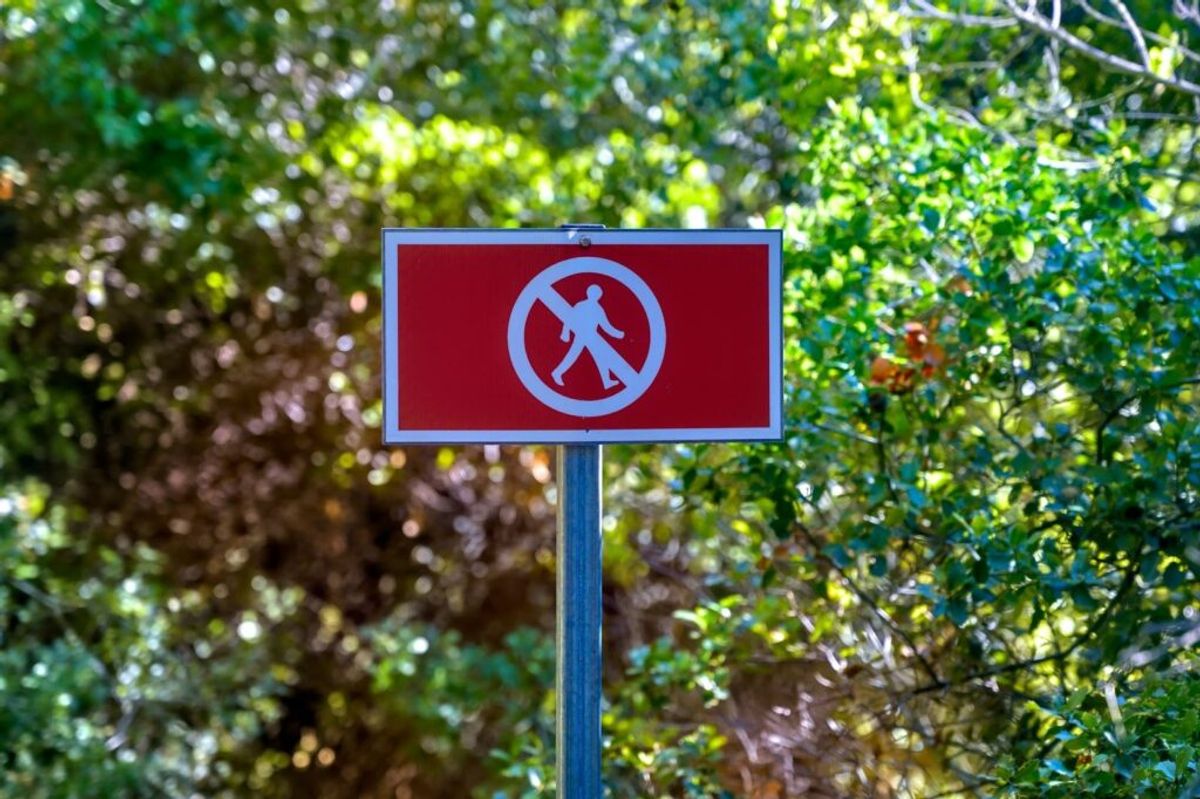
How staff frame a dispute determines how guests respond. Personal language invites defensiveness, while policy-based framing shifts the focus to shared rules.
Referencing specific campground policies reinforces consistency and fairness. Guests are more likely to accept outcomes when they understand that decisions are based on established rules rather than personal judgment.
This step transforms the conflict from a personal disagreement into a procedural issue with clear boundaries.
Step 6: Solution Alignment, Resolve the Issue Practically
Book a FREE, personalized demo.

Effective resolution focuses on concrete actions, not opinions. Once the issue is framed around policy, staff should guide the conversation toward a clear, reasonable solution.
This may involve adjusting physical setups, relocating equipment, issuing a formal warning, or, in rare cases, moving a guest. The goal is to restore a functional, respectful environment with minimal disruption.
Clear solutions reduce lingering tension and prevent repeated complaints.
Step 7: Documentation, Protect Operations and Staff

Documentation is not about punishment; it is about consistency and protection. Recording what happened, how it was handled, and the outcome creates an internal reference that supports staff decisions over time.
Consistent logging helps identify recurring issues, protects the business in the event of complaints or disputes, and ensures that enforcement does not vary between staff members or shifts.
This step turns individual incidents into operational insight.
Step 8: Follow-Up, Prevent Repeat Issues

Resolution does not always end the risk. Discreet follow-up ensures that agreed-upon solutions are respected and that behavior does not regress.
Using internal notes in reservation or guest management systems allows staff to stay informed without singling out guests publicly. This quiet consistency reinforces authority while maintaining a positive guest experience.
Follow-up is what turns one-time fixes into lasting outcomes.
Step 9: Design Review, Address Systemic Causes
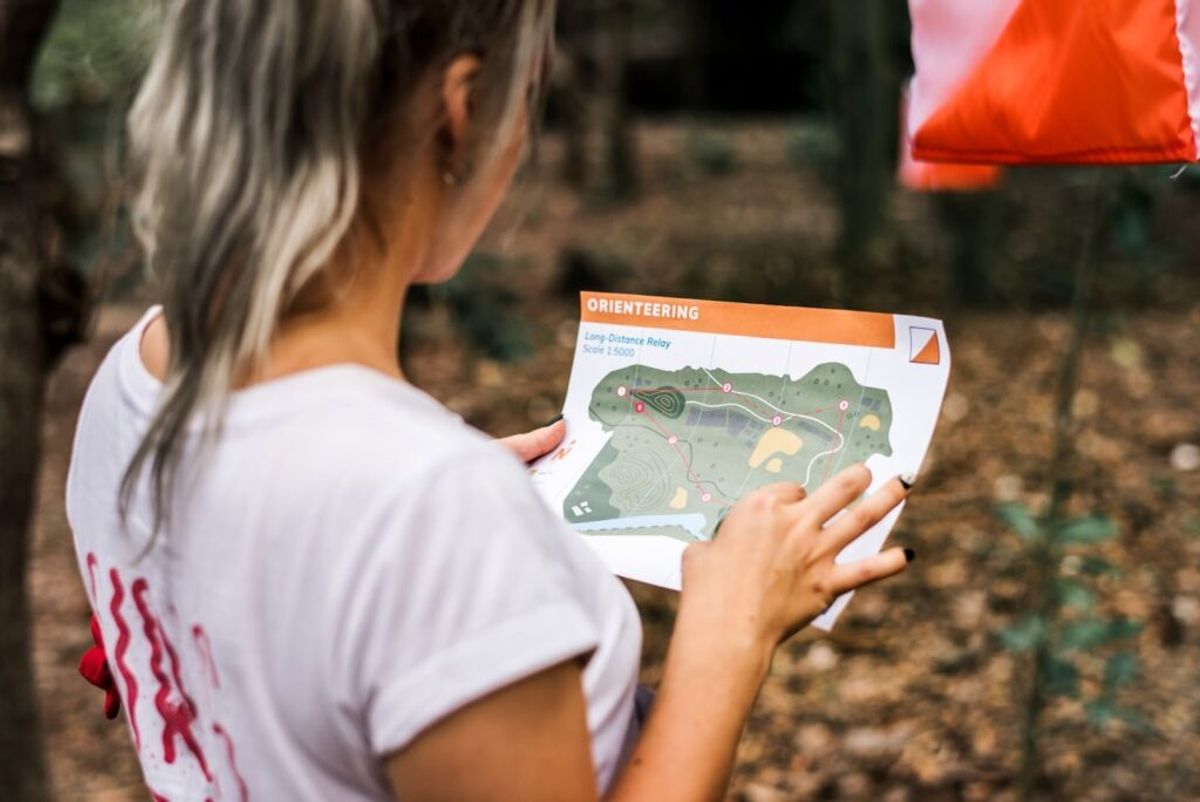
Some disputes are symptoms of deeper structural issues rather than guest behavior. Tight spacing, poor zoning, or inadequate buffers often create friction regardless of enforcement quality.
Periodically reviewing whether layout, site placement, or zoning contributed to conflicts allows owners to address root causes. Adjustments such as separating high-activity areas, adding natural buffers, or rethinking site assignments can dramatically reduce disputes over time.
Design review ensures that conflict prevention scales with campground growth.
Why Campsite Disputes Are an Operational Issue, Not Just a Guest Problem
Guest conflicts are often treated as isolated incidents, but across the outdoor hospitality industry, they are closely tied to operational clarity. Research on hospitality conflict management consistently shows that unclear rules and inconsistent enforcement increase guest dissatisfaction and staff stress. In campgrounds specifically, shared spaces and proximity amplify these risks.
For owners focused on improving RV park bottom line and long-term guest loyalty, dispute resolution should be viewed as part of core operations, alongside RV park inventory management and guest communication systems.
Prevention Starts at Check-In: Establishing a Clear Campground “Social Contract”
Most campsite disputes never happen when expectations are clearly defined from the start. A written and consistently enforced set of rules acts as a shared agreement between guests and management.
A well-structured campground guide should clearly outline operational norms, including quiet hours, pet policies, and site boundaries. These rules should be presented digitally during booking or check-in and reinforced verbally when needed. This approach aligns with best practices in optimize campground listings, where clarity directly impacts guest satisfaction and compliance.
Visible signage throughout the property further reinforces expectations. Relying solely on written rules assumes guests will remember them, while strategic reminders in high-traffic areas help prevent misunderstandings in real time.
Turning Conflict Resolution Into a Scalable Operational System
Resolving campsite disputes between guests is less about confrontation and more about preparation, structure, and consistency. Clear rules, standardized mediation, thoughtful campground design, and proper documentation work together to reduce conflict before it affects the guest experience or staff morale.
For campground owners focused on sustainable growth, dispute resolution should be treated as a core operational system rather than a reactive task. RoverPass supports this approach by helping owners standardize guest communication, document incidents, and enforce campground policies consistently through integrated reservation and management tools.
Frequently Asked Questions
The most effective prevention strategy is setting clear expectations at check-in through written rules, verbal reinforcement, and visible signage. When guests understand quiet hours, site boundaries, and shared-space policies upfront, most disputes never occur.
Staff should speak with each party separately, reference campground rules rather than personal behavior, and focus on practical solutions. This neutral, rule-based approach reduces emotional tension and ensures consistent enforcement.
While behavior plays a role, many disputes are influenced by layout, spacing, and zoning. Poor separation between high-activity and quiet areas often leads to recurring conflicts that enforcement alone cannot fix.
Yes. Maintaining an internal log of incidents protects the business, supports consistent enforcement, and helps identify patterns that may require operational or design changes.
Ready to Transform Your Campground?
See how RoverPass can help you increase bookings and streamline operations.
Book a Demo