


Sustainability is no longer a branding trend in the campground industry; it’s an operational decision that affects costs, compliance, and long-term asset value. For campground owners, how to create a green campground isn’t about perfection or costly overhauls. It’s about building systems that reduce waste, stabilize expenses, and align with how modern guests evaluate where they stay.
The short answer is this: a green campground is created through incremental, operational choices that lower environmental impact while improving efficiency and resilience. When sustainability is approached strategically, it becomes a management advantage rather than an expense.
How to Achieve a Green Campground: Operational Action Table
This table breaks sustainability into concrete operational actions campground owners can implement without disrupting daily operations or requiring major capital investments. Each action is tied to its primary operational benefit, helping owners prioritize what actually moves the needle.
| Operational Area | Action to Implement | Why It Matters Operationally | Implementation Level |
|---|---|---|---|
| Energy Use | Replace common-area lighting with LED fixtures | Reduces electricity consumption by up to 75% compared to incandescent lighting and lowers replacement frequency | Low effort / High impact |
| Energy Use | Install timers or motion sensors in bathhouses and laundry rooms | Prevents continuous energy draw during low-use hours and improves cost predictability | Low effort |
| Utilities Policy | Define utility usage expectations for monthly guests in writing | Prevents cost overruns caused by unlimited consumption assumptions | Low effort |
| Utilities Monitoring | Track electricity and water usage by zone or site type | Creates baseline data for pricing, upgrades, and margin protection | Medium effort |
| Water Management | Install low-flow faucets and showerheads during routine maintenance | Reduces water and septic load without affecting guest experience | Low effort |
| Water Management | Establish leak inspection protocols for hookups and restrooms | Small leaks can account for a significant portion of excess water usage | Medium effort |
| Septic Protection | Provide clear septic use guidelines at check-in and in welcome materials | Reduces system strain and emergency pump-outs | Low effort |
| Septic Protection | Train staff to flag misuse early | Early intervention prevents costly system failures | Medium effort |
| Waste Management | Standardize dumpster locations and signage across the park | Improves waste flow predictability and reduces contamination | Low effort |
| Waste Management | Align recycling offerings with local hauling capabilities | Prevents overflow, contamination fees, and guest confusion | Low effort |
| Landscaping | Transition to native or drought-tolerant plants over time | Reduces irrigation costs and long-term maintenance | Medium effort |
| Landscaping | Limit turf areas that require frequent watering | Lowers water usage and labor costs | Medium effort |
| Purchasing | Choose durable, repairable fixtures over disposable alternatives | Reduces replacement frequency and long-term spend | Low effort |
| Maintenance Planning | Bundle sustainability upgrades with scheduled renovations | Minimizes disruption and spreads costs across planned work | Medium effort |
| Guest Communication | Frame sustainability rules as operational standards, not optional requests | Improves compliance and reduces staff friction | Low effort |
| Data & Systems | Use campground management software to track site usage patterns | Identifies inefficiencies tied to occupancy and stay length | Medium effort |
Why Sustainability Matters at the Operational Level

Sustainability conversations often focus on guest perception, but for owners, the impact is more structural. Utilities, waste management, water systems, and land use are among the largest long-term cost centers in campground operations.
According to U.S. Energy Information Administration data, electricity and water costs continue to rise faster than inflation in many regions, particularly in rural and seasonal markets. Campgrounds with unmanaged consumption patterns are more exposed to volatility than those with systems in place to monitor and reduce usage.
In addition, local and state environmental regulations increasingly affect septic systems, waste disposal, and water runoff. Parks that operate efficiently are better positioned to adapt to regulatory changes without disruption.
Sustainability, in this context, is risk management.
Defining a “Green Campground” in Practical Terms
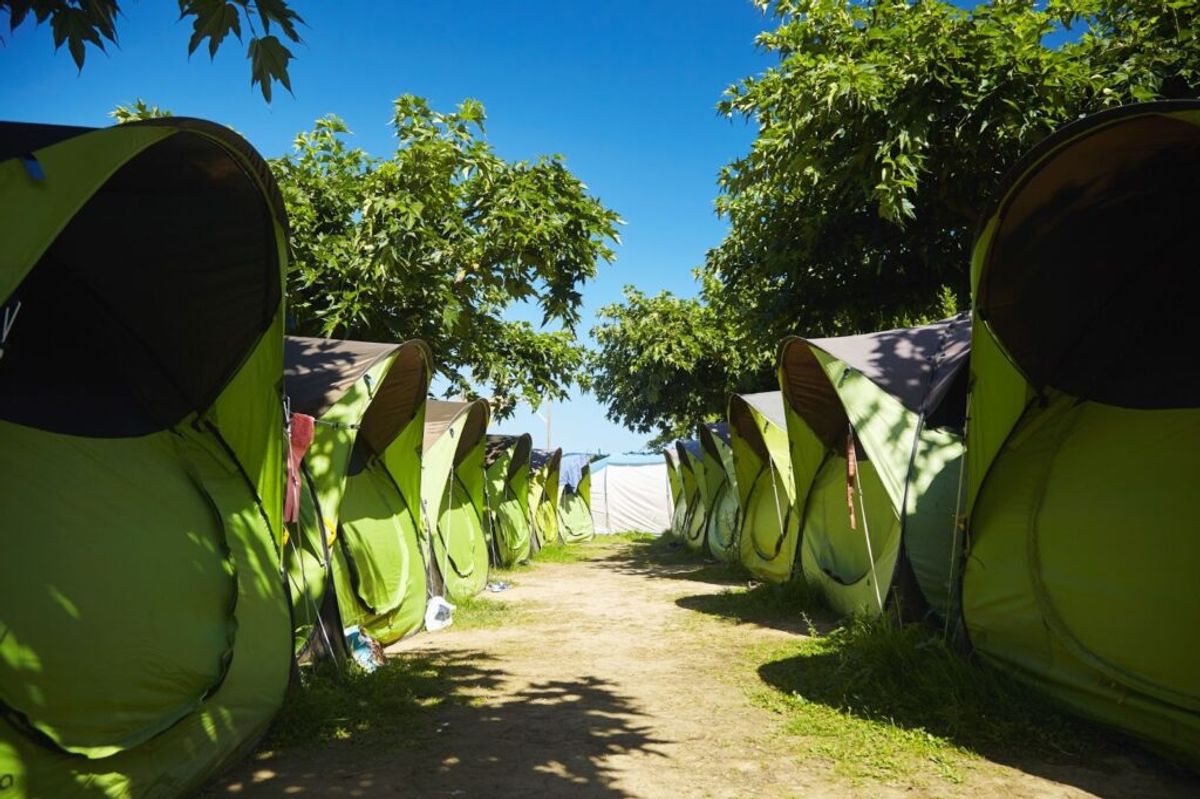
A green campground is not defined by one feature or certification. Instead, it reflects how daily operations are structured across multiple systems.
At an operational level, green campgrounds typically share three characteristics:
- Resource usage is measured, not assumed
- Waste streams are controlled and predictable
- Infrastructure decisions consider long-term operating costs, not just upfront price
This does not require full solar conversion, zero-waste targets, or premium pricing models. Most progress comes from improving how existing systems are used and maintained.
High-Impact Areas Owners Can Control
Not all sustainability initiatives deliver equal value. For campground owners, the highest-impact areas tend to fall into a few core categories.
Utilities and Energy Use
Electricity is often the largest variable expense in parks with extended stays. Even without metering, owners can reduce exposure through infrastructure upgrades such as LED lighting, timed systems in common areas, and clear utility policies for long-term guests.
Parks that track energy usage at the site or zone level are better equipped to adjust pricing, plan upgrades, and avoid margin erosion.
Water Management and Septic Protection
Book a FREE, personalized demo.
Water usage directly affects septic systems, maintenance cycles, and regulatory compliance. Low-flow fixtures, leak detection protocols, and clear guest guidelines reduce strain without affecting experience.
For owners, protecting septic infrastructure is one of the most cost-effective sustainability decisions available.
Waste and Recycling Systems
Trash hauling costs increase when waste streams are poorly controlled. Clear signage, septic systems, standardized dumpster placement, and realistic recycling options reduce contamination and overflow issues.
Sustainability here is less about volume reduction and more about predictability and compliance.
This approach keeps sustainability grounded in operations rather than aspiration.
Aligning Sustainability With Revenue Strategy

A green campground does not have to mean higher prices or reduced amenities. In many cases, sustainability supports revenue stability rather than growth alone.
Operational efficiency improves predictability, which supports:
- More accurate pricing models
- Fewer maintenance emergencies
- Better long-term asset valuation
When paired with modern campground management tools, such as RV park inventory management systems, owners gain clearer visibility into how sites are used and where inefficiencies exist.
Sustainability works best when it supports existing revenue strategies instead of competing with them.
Building Systems, Not Campaigns
One of the most common mistakes owners make is treating sustainability as a campaign rather than a system. Campaigns fade. Systems persist.
Green campgrounds are built through:
- Written policies, not verbal assumptions
- Measured usage, not averages
- Incremental upgrades tied to maintenance cycles
This approach avoids disruption while steadily improving performance.
Conclusion: Sustainable Parks Are Easier to Run
Creating a green campground is not about chasing trends or certifications. It’s about running a park that is easier to manage, more resilient to cost increases, and better aligned with regulatory realities.
When sustainability is treated as an operational framework, owners gain control over utilities, infrastructure, and long-term planning. The result is a park that performs better financially while reducing environmental strain.
Platforms like RoverPass support this process by helping owners centralize operations, understand site usage patterns, and make data-informed decisions that support both growth and efficiency.
Frequently Asked Questions
No. Most sustainability improvements come from operational changes and incremental upgrades rather than large capital projects.
Yes. Energy efficiency, water management, and waste control directly affect recurring expenses and maintenance cycles.
Many guests value efficiency and cleanliness more than visible “green” branding. Operational sustainability often improves guest experience indirectly.
Efficient infrastructure and predictable operating costs are increasingly important factors when owners estimate the value of an RV park.
Ready to Transform Your Campground?
See how RoverPass can help you increase bookings and streamline operations.
Book a Demo


