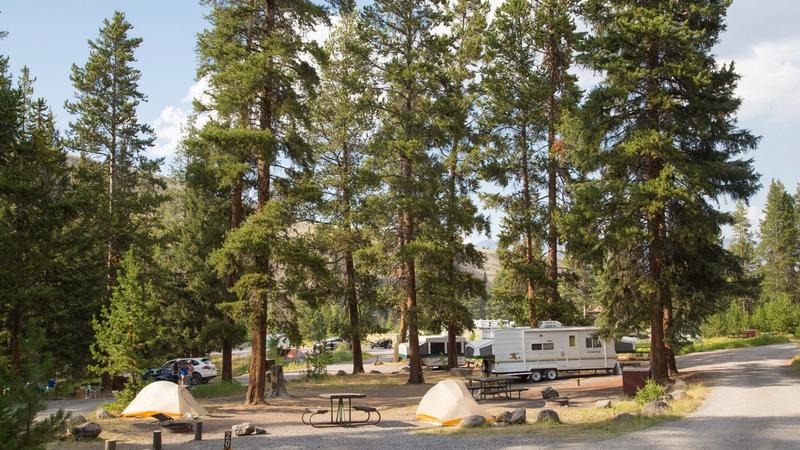
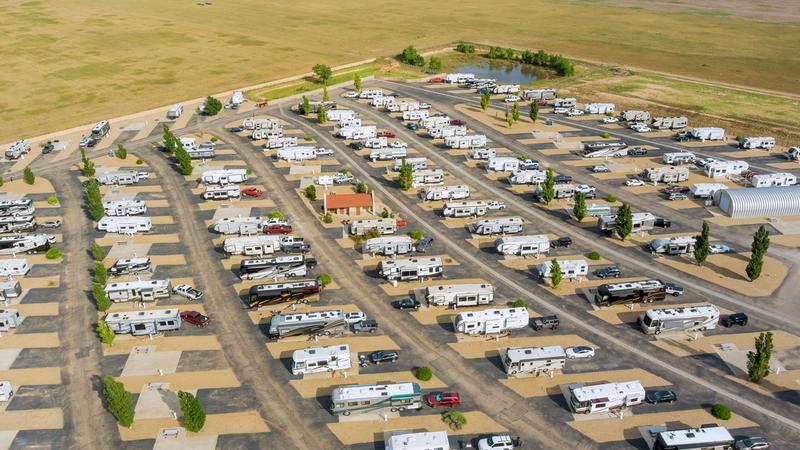
Campgrounds in Recession: Navigating Risks and Opportunities

Economic downturns often force travelers to scale back, but rarely to stay home. For the outdoor hospitality industry, recessions don’t represent decline; they mark opportunity.
In 2025, as the U.S. grapples with persistent inflation, tighter credit conditions, and elevated housing costs, consumers are becoming more cautious with discretionary spending. Airline travel is down. Resort bookings are slow. Yet the camping industry continues to see demand, offering a compelling combination of affordability and emotional fulfillment.
From rustic retreats to luxurious glamping resorts, campgrounds provide low-cost getaways with high-value experiences. Operators who recognize this behavioral shift, and build offerings around it, are turning economic uncertainty into long-term stability.
Why Campgrounds Are Uniquely Positioned to Win in 2025
The U.S. economy in 2025 remains a landscape of cautious optimism, tinged with persistent financial anxiety. Interest rates remain high, consumer credit is tightening, and wage growth has not kept pace with rising costs in key sectors like housing, healthcare, and education.
Discretionary Spending is Shrinking
According to a recent report, more than 57% of Americans are actively cutting back on discretionary spending, including travel and entertainment. This retrenchment isn’t just anecdotal, it’s a seismic shift in consumer priorities:
- Only 46% of Americans plan to travel this summer, down from 63% just three years ago, according to data.
- Among non-travelers, 68% cite cost concerns as their primary reason, followed by uncertainty around job security and lingering student debt burdens.
- Credit card usage for non-essential travel has declined for four consecutive quarters, signaling greater financial conservatism.
But Outdoor Recreation Is Defying the Trend
Surprisingly, not all corners of the travel economy are contracting. Outdoor recreation, and specifically nature-based domestic travel, is not only weathering the storm, it’s growing. The U.S. Bureau of Economic Analysis reports a projected 6.8% year-over-year growth in the outdoor recreation sector. As of late 2024, it was contributing over $1.2 trillion to GDP and supporting nearly 5 million jobs.
What’s behind this divergence? The answer lies in shifting consumer values, and the inherent strengths of campgrounds.
Three Macro Trends Favoring Campgrounds
As the broader travel industry pulls back, campgrounds are benefitting from structural and cultural shifts. Here are three macro trends driving their continued growth in 2025:
1. Affordability Without Sacrificing Experience
In a period where families are budgeting every dollar, campgrounds provide the ultimate high-value travel solution. A camping trip for a family of four, including site fees, food, and gear rentals, can cost under $500 for a weekend getaway, whereas a comparable hotel or resort experience often exceeds $300 per night, not including meals or activities.
Unlike resorts or cruises, campgrounds offer a modular cost structure: guests can bring their own food, gear, or even accommodations (via RVs or tents), dramatically reducing expenses.
Affordability doesn’t mean compromise. Modern campgrounds offer upgraded amenities, from glamping units to adventure packages, allowing guests to customize their stay based on both budget and preference.
2. Mental Health and Nature as a Wellness Essential
Post-pandemic society has undergone a wellness awakening. Time outdoors is no longer viewed as leisure, it’s increasingly seen as a health intervention.
- The American Psychological Association cites nature exposure as a top recommendation for reducing anxiety and burnout.
- Time in green spaces improves cognitive function, lowers cortisol levels, and supports emotional regulation, benefits that millions now actively seek.
Camping has become a therapeutic experience, not just a vacation. In this cultural shift, campgrounds are not luxury alternatives, they are essential destinations for those prioritizing mental health, family bonding, and digital detoxing.
3. The Rise of the Work-from-Anywhere Economy
The remote work revolution, once seen as a temporary pandemic adjustment, is now a permanent fixture of the labor market. In 2025:
- 27% of American employees work remotely at least part-time.
- “Workcations” and “bleisure” (business + leisure) travel are mainstream, especially among Millennials and Gen Z.
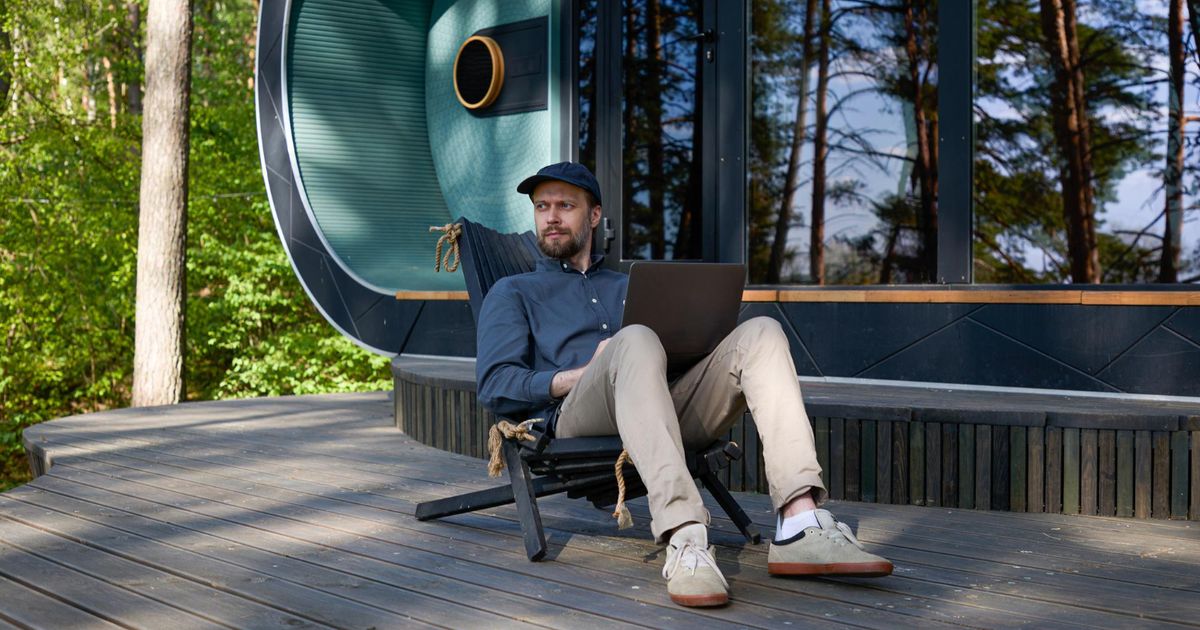
- High-speed internet, quiet zones, and midweek availability make campgrounds an appealing alternative to noisy coffee shops or overpriced coworking retreats.
As workers seek flexibility, inspiration, and affordability, campgrounds are stepping into the role once played by boutique hotels and urban Airbnb. Operators who invest in Wi-Fi, ergonomic workspaces, and reliable cell service are tapping into a thriving market of weekday travelers who book outside of traditional peak times.
Strategies to Recession-Proof Your Campground
In an economic downturn, survival isn’t about cutting corners, it’s about doubling down on what makes your campground truly special. The operators who thrive are those who transform their sites from simple places to pitch tents into top-rated campgrounds and outdoor destinations where guests want to linger, return, and recommend. Crafting a recession-proof campground business means focusing on unforgettable guest experiences, smart pricing strategies, digital marketing mastery, and streamlined, efficient operations.
Design the Guest Experience Like a Destination
Today’s campers expect more than just a patch of dirt to park their tent or RV. They crave unique camping experiences that are curated, immersive, and share-worthy, moments that turn a weekend getaway into a cherished memory. Enhancing the guest experience doesn’t necessarily mean expensive overhauls; it means thoughtfully integrating unique amenities and thoughtful touches that elevate the stay and create deep emotional connections with your campground.
Imagine offering amenities that surprise and delight, such as:
- Outdoor showers nestled among trees
- Cozy sauna tents perfect for chilly nights
- Invigorating cold plunge pools for weary travelers
- Tranquil hammock gardens and stargazing domes provide relaxation and wonder
Creating these multi-sensory escapes helps your campground stand out as a must-visit nature retreat.
Programming themed events or weekends adds tremendous value and differentiates your campground from competitors. Hosting events like a “Campfire Concert Series” or “Mindful Mornings Retreat” gives guests a reason to book specific dates, increasing emotional engagement and encouraging longer stays.
Accessibility is another key consideration. Upgrading facilities with ADA-compliant paths, cabins, and bathrooms broadens your guest base to include travelers with mobility challenges. This demonstrates a commitment to inclusivity, a value that resonates strongly with modern campers searching for welcoming and accessible family-friendly campgrounds.
Finally, expand your offerings with popular rentals and add-ons that meet evolving guest expectations:
Book a FREE, personalized demo.
- Firewood delivery
- Locally sourced meal kits
- Premium bedding upgrades
- Equipment rentals such as e-bikes, kayaks, and paddleboards
These services turn convenience into luxury and enhance guest satisfaction.
Looking to elevate your guest experience with an online booking widget, automated reservation confirmations, and seamless campsite map management? Get started with RoverPass’s Booking Engine and give your guests a 24/7 self-service reservation option.
Embrace Smart Pricing and Packages
Recession or not, price is never the sole factor influencing campground booking decisions. However, when budgets tighten, travelers become more deliberate about value for money. This means your pricing strategy must be flexible, data-driven, and focused on delivering clear value rather than simply reacting to market pressures.
Use these proven pricing strategies to maximize bookings:
- Dynamic pricing: Adjust your campground rates based on real-time demand, weather forecasts, or local events to optimize occupancy and revenue.
- Flexible cancellation policies: Reduce booking friction and boost conversion rates by offering customer-friendly policies that ease traveler concerns.
- Value bundles and packages: Attract guests with offers like a “Three-Night Stay + Adventure Kit” or family-friendly bundles including equipment rentals or meals.
- Tiered pricing structures: Cater to diverse traveler segments by offering basic tent sites, premium lake-view spots, and fully outfitted glamping units. This expands your appeal to a wider audience searching for options like budget camping and luxury glamping near me.
These pricing tactics allow your campground to appear in more search results and convert interest into confirmed bookings. If you need help refining your campground’s pricing model or structuring dynamic packages, Parikh Financial specializes in financial strategy for outdoor hospitality businesses.
Double Down on Digital Marketing
Your future guests live online, and in a recession, online visibility and campground marketing become your most powerful allies. A strong digital presence isn’t just about being seen, it’s about being found by the right people, at the right time, with the right message.
Key digital marketing tactics include:
- SEO-rich content: Create blog posts and guides targeting keywords like “affordable family camping trips 2025,” “best campgrounds near me,” and “cheap glamping experiences.” This helps your website rank organically and capture intent-driven traffic.
- Short-form video: Leverage Instagram Reels and TikTok to showcase your campground’s personality and amenities. Videos of sunsets, glamping tours, or live campfire concerts build emotional engagement and social proof.
- Micro-influencer partnerships: Collaborate with trusted voices in outdoor adventure, family travel, or wellness to expand reach authentically and cost-effectively.
- Google My Business optimization: Regularly update photos, manage reviews, and respond to FAQs to dominate local searches like “campgrounds near me” or “RV camping spots nearby.”
- Email marketing: Deploy drip campaigns, abandoned booking reminders, and loyalty offers to nurture leads and encourage repeat stays.
- AI chatbots: Implement on your website or social channels to instantly answer questions and improve booking conversion rates.
Together, these tools strengthen your digital footprint and attract a steady flow of bookings even in tight economies.
Streamline Operations and Stay Lean
Efficiency is an operational necessity. Cutting costs while maintaining or enhancing the guest experience requires a balanced approach powered by technology and smart management.
Steps to optimize operations:
- Automation: Use booking, check-in, and payment software to reduce labor costs and errors, freeing your team to focus on hospitality.
- Cross-training staff: Prepare employees to handle multiple roles during shoulder seasons, reducing the need for temporary hires.
- Sustainability investments: Install solar panels, smart lighting, and water-saving irrigation systems to lower utility bills and appeal to eco-conscious guests.
- Local partnerships: Collaborate with nearby outfitters, wineries, restaurants, and event organizers to offer bundled experiences, share marketing costs, and extend your audience reach.
By streamlining operations, you protect margins while delivering a superior guest experience that generates positive reviews and repeat visits.
The Outdoors as Economic Shelter
Campgrounds have long been a trusted refuge for those seeking escape—from the busy city life, the monotony of routine, and increasingly, from economic uncertainty. In 2025, campgrounds are more than just a getaway; they represent a smart, sustainable, and scalable business opportunity for outdoor hospitality entrepreneurs.
During recessions, travelers prioritize connection, comfort, and clarity. They seek experiences that soothe the soul while respecting tighter budgets. Campgrounds that successfully combine emotional value with operational excellence will not only survive economic downturns—they will shape the future of hospitality.
The key to thriving in today’s market is bold adaptation, wise upgrades, and relentless marketing. Build your campground as a welcoming shelter that guests want to run toward when the storm hits. This approach ensures you create:
- A recession-resilient business model
- Deep guest loyalty and community
- Consistent revenue streams that weather economic fluctuations
By focusing on quality experiences, embracing innovation, and connecting authentically with your audience, your campground can emerge stronger and more profitable no matter the financial climate.
The Outdoors as a Safe Haven in Uncertain Times
In 2025, campgrounds are more than just a getaway, they’re a recession-resistant business opportunity. Travelers seek meaningful, affordable outdoor experiences that offer comfort and connection. By focusing on operational excellence, memorable guest experiences, and smart marketing, campgrounds can thrive even in uncertain economic times.
Ready to make your campground more resilient and efficient? RoverPass helps streamline bookings, automate payments, and manage your site map, all from one intuitive dashboard. Sign up today to improve your operations, increase conversions, and give guests the seamless experience they expect.
Frequently Asked Questions
Attracting more guests during tough economic times involves emphasizing value and unique experiences. Highlight your campground’s affordability compared to traditional vacations, and promote any special packages or bundled offers. Leveraging digital marketing, including local SEO, social media, and influencer partnerships, helps you reach target audiences effectively. Additionally, creating themed events or experience-based programming can set your campground apart and encourage bookings.
The most effective digital marketing strategies include optimizing your website for search engines with relevant keywords, regularly publishing engaging blog content, and using short-form video on platforms like Instagram and TikTok to showcase your campground’s atmosphere. Maintaining an active Google My Business profile with fresh photos and reviews boosts local search visibility. Email marketing campaigns and retargeting ads also help convert interested visitors into confirmed bookings.
Improving guest retention starts with providing memorable and personalized experiences that exceed expectations. Offering loyalty programs, exclusive discounts for returning guests, and timely follow-up communications via email can build strong relationships. Regularly introducing new amenities or seasonal events keeps your campground fresh and encourages repeat visits. Gathering and acting on guest feedback shows you value their input and continually enhance their stay.
Making your campground eco-friendly involves adopting sustainable practices such as installing solar panels, implementing water-saving irrigation, and using energy-efficient lighting. Offering recycling stations and encouraging guests to minimize waste also contribute to sustainability. Partnering with local conservation groups for volunteer days or trail maintenance events helps foster an environmentally conscious community around your campground.
Handling cancellations requires a balance between flexibility and protecting your revenue. Implementing clear, guest-friendly cancellation policies, such as partial refunds or credits for future stays, builds trust and encourages bookings. Using dynamic pricing and last-minute deals can help fill gaps left by cancellations. Maintaining good communication and offering easy rebooking options improve guest satisfaction even when plans change.
Ready to Transform Your Campground?
See how RoverPass can help you increase bookings and streamline operations.
Book a Demo