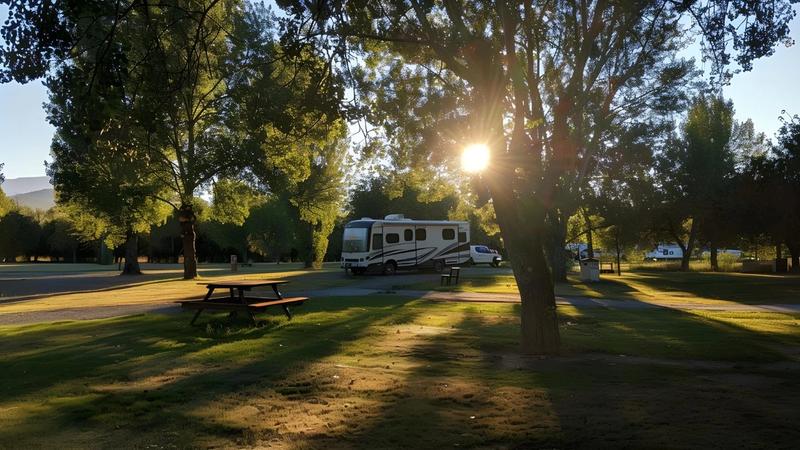
Thinking About Buying an RV Park? These 10 Reasons Say ‘Yes’ in 2025


Investing in an RV park isn’t about chasing a trendy asset; it’s about recognizing a stable, growing sector that blends lifestyle, demand, and land-based equity into one unique opportunity. As the camping economy evolves, RV parks are showing long-term income potential, tax advantages, and creative business models that appeal to both seasoned investors and lifestyle buyers.
What’s changed in recent years is the profile of both the traveler and the park owner. New revenue strategies, digital reservation tools, and post-pandemic tourism shifts are redefining what “owning a campground” means. In this article, we’ll break down why RV parks are positioned for sustained growth, and what smart investors are doing to get ahead in 2025.
Why RV Parks Are More Relevant Than Ever in 2025
The RV park sector has matured, but it’s far from saturated. Travel habits post-2020 shifted heavily toward nature, autonomy, and affordability. As national parks and public lands become increasingly overbooked, private parks are absorbing the overflow.
Importantly, RV parks aren’t being overbuilt. Zoning restrictions, water limitations, and the complexity of septic systems make new development slow. That’s one of the main reasons values keep rising; there’s real scarcity. If you already own land or find a permitted site, you’re working with a finite asset class that becomes more valuable every season.
Investor attention is also turning to smaller operations, mom-and-pop parks that can be purchased and improved quickly. These parks offer a fast return on operational upgrades and benefit greatly from digital integrations like instant booking, automated site management, and online rate visibility.
To learn more about property scarcity and market trajectory, see our guide to campground industry trends and growth statistics.
Strong Returns Backed by Operational Simplicity
One of the most appealing aspects of RV park investment is the math. Unlike multi-family housing, your operating expenses don’t scale in the same way. RV sites don’t require interior maintenance, and your biggest capital expenses, like sewer systems, pads, or hookups, are long-life infrastructure.
Operating a park also requires far less labor than a hotel or traditional hospitality model. You can automate bookings using the best RV park reservation software, allow for self-check-in, and run lean operations year-round.
Parks with modest amenities (restrooms, laundry, basic store) regularly achieve 35–45% profit margins, and even better when cabins, glamping units, or premium services are added. Because of this, valuation metrics like cap rates are often higher than in other real estate types. Investors aiming to sell a campground can often command strong prices by simply modernizing technology or improving occupancy data.
For tips on evaluating value, explore our article on how to estimate the value of an RV park.
Modern Revenue Tactics for Today’s RV Guests
Book a FREE, personalized demo.
Gone are the days of seasonal flat rates and paper logbooks. Today, successful RV park owners know how to optimize bookings and increase per-stay revenue.
Dynamic pricing helps owners adapt to holiday weekends, weather forecasts, or event-driven demand. Parks using dynamic rates regularly outperform those with fixed pricing. You can pair this with campground listing optimization features and an instant book option to increase visibility and reduce booking friction.
Non-site revenue is also growing. Think Wi-Fi upsells, late check-out fees, firewood and ice sales, kayak rentals, or non-site revenue for campgrounds.
These small additions make a meaningful difference to your annual bottom line.
Expansion Opportunities and Long-Term Upside
Unlike many commercial assets, RV parks are expandable if you plan. Many parks can add 5–15 sites with limited infrastructure expansion. Cabins and glamping units increase year-round use and broaden your market.
Even better, well-performing parks are attractive to both lifestyle buyers and private equity firms. So whether your goal is to hold and grow, or sell your campground, there’s an exit strategy available.
Before investing, take time to research zoning and permit requirements, especially for septic, land use, and ADA compliance. Knowing your limitations early allows for a much more strategic acquisition or expansion plan.
Is Now the Right Time to Invest?
If you’re looking for a resilient, income-producing investment that’s both scalable and personally rewarding, RV parks continue to offer rare value. In 2025, this asset class balances digital convenience, guest demand, and limited supply in a way few other real estate categories do.
And the tools are better than ever. With reservation automation, integrated marketing, and access to real-time analytics, small teams can operate complex properties efficiently. The shift to outdoor travel isn’t a fad, it’s a durable lifestyle choice. RV parks are where that trend becomes a business.
AI-powered chatbots and virtual receptionists can now handle guest inquiries, reservations, and even phone calls, dramatically reducing labor costs and improving the guest experience. Platforms provide powerful tools for online booking, automated check-ins, dynamic pricing, and campground marketing.
Running an RV park in 2025 doesn’t require a large staff or endless manual tasks. Today’s technology makes lean, scalable operations possible from day one.
Frequently Asked Questions
Well-run parks often generate 25–45% profit margins, especially if they offer cabins or seasonal stays. Your return depends on location, occupancy, and operational efficiency.
Start with NOI (Net Operating Income), occupancy rates, and zoning history. Then look into upgrade potential, including expansion or new services like glamping or retail.
Compared to hotels or apartments, not really. Most costs relate to groundskeeping, utilities, and septic. Using tech tools and reservation software helps reduce day-to-day labor.
Digitize operations. Add dynamic pricing, upgrade your site listings, and explore non-site revenue like firewood or branded gear. Consider glamping units to boost seasonal income.
Due to permitting, it’s often better to buy an existing park, especially one with underused land or old infrastructure you can improve. New builds take longer to profit.
Ready to Transform Your Campground?
See how RoverPass can help you increase bookings and streamline operations.
Book a Demo